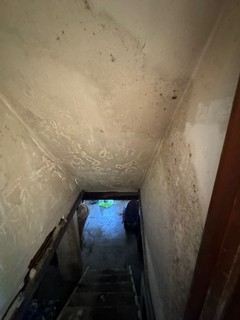
That grayish patch on your basement paneling or the fuzzy spot creeping across a wooden window sill often sparks the same worried question: is it something harmless or something that needs professional attention? Understanding mildew vs mold on wood is one of the most useful skills a homeowner can have, because the two look similar at a glance but behave very differently once they take hold. Knowing which one you are dealing with helps you decide whether a quick cleaning will do or whether you need property damage restoration services in Milwaukee, WI.
At RestoreMore Inc, we see both of these organisms regularly across homes throughout Wisconsin, especially after periods of high humidity, plumbing leaks, or seasonal temperature swings. This guide breaks down the key differences, the warning signs to watch for, and the practical steps you can take to protect your wood surfaces and the people who live around them.
What Mildew and Mold Actually Are
Both mildew and mold are types of fungi, and both thrive in damp, poorly ventilated conditions. That shared origin is exactly why so many people confuse the two. The difference comes down to how they grow and how deeply they penetrate the surface they land on.
Mildew is a surface fungus. It tends to stay flat and sits on top of wood rather than digging into it. Mold, on the other hand, is more aggressive. It sends root-like structures called hyphae into porous materials such as wood, drywall, and insulation, which means it can compromise the material itself over time. When you are weighing mildew vs mold on wood, this distinction matters because it directly affects how difficult the problem is to remove and how much damage it may cause if left alone.
How to Tell the Difference by Sight and Smell
You can often make an initial judgment using your eyes and nose before touching anything. Mildew usually appears as a thin, powdery or fluffy layer that is white, gray, or sometimes yellowish. It frequently shows up in patches that feel dry to the touch and can be wiped away with relatively little effort.
Mold presents differently. It often looks fuzzy, slimy, or raised, and it comes in a wider range of colors including black, green, blue, and even orange. Mold also tends to produce a stronger, more distinctly musty odor that lingers in a room. If a wooden surface has a deep discoloration that seems to stain the grain rather than just coat the surface, mold is the more likely culprit.
A simple field test can help. Dab a small amount of household bleach diluted with water onto the spot. If the area lightens after a minute or two, you are probably dealing with mildew. If it stays dark or returns quickly, mold has likely penetrated below the surface. This is a rough guide rather than a definitive diagnosis, but it gives you a useful starting point when comparing mildew vs mold on wood.
Why the Difference Matters for Your Home
Mildew is mostly a cosmetic and cleanliness concern. It can cause minor respiratory irritation for sensitive individuals, but it rarely damages the structure of your home when addressed promptly. Mold is the more serious of the two. Because it feeds on the organic material in wood, prolonged growth can weaken framing, subflooring, trim, and other components. Left unchecked, mold can spread through a home and create conditions that require significant repair.
Health is another reason to take the distinction seriously. Extended exposure to certain molds can aggravate allergies, asthma, and other respiratory issues. If you notice recurring symptoms that improve when you leave the house, an underlying mold problem may be a factor. When growth is widespread or keeps returning, professional mold remediation in Milwaukee is often the safest path, since experts can locate hidden moisture sources and remove contaminated material without spreading spores.
What Causes Growth on Wood in the First Place
Both mildew and mold need moisture to survive, which is why they thrive in basements, bathrooms, crawl spaces, and around windows. In Wisconsin, humid summers and the condensation that forms during our temperature swings create ideal breeding conditions. A slow plumbing leak, a roof drip, or poor drainage can keep wood damp long enough for fungi to establish themselves.
Water intrusion is the most common trigger we encounter. When wood stays wet for more than a day or two, the risk of growth climbs sharply. That is why addressing leaks and flooding quickly is so important. If your home has recently experienced a leak or standing water, our team offers fast 24-hour water damage restoration in the Milwaukee region to dry affected areas before fungal problems can begin.
Cleaning, Prevention, and When to Call a Professional
Light mildew on a sealed or finished wood surface can usually be handled with basic household cleaning. A solution of water and mild detergent, or a diluted vinegar mixture, applied with a soft brush and then dried thoroughly, is often enough. Always ventilate the space, wear gloves and a mask, and let the wood dry completely afterward so the problem does not return.
Prevention is more effective than repeated cleaning. A few habits go a long way toward keeping both organisms off your wood surfaces:
- Keep indoor humidity below roughly fifty percent using dehumidifiers or proper ventilation.
- Fix leaks, drips, and drainage issues as soon as you notice them
- Ensure bathrooms, basements, and crawl spaces have adequate airflow.
- Wipe down condensation on windows and sills during colder months.
There are limits to what do-it-yourself cleaning can accomplish. If mold covers a large area, keeps coming back after cleaning, or has penetrated deep into structural wood, it is time to bring in professionals. The same is true if you smell a persistent musty odor but cannot find the source, which often signals hidden growth behind walls or under flooring. Homeowners dealing with recurring moisture may also benefit from water damage restoration in Brookfield to correct the underlying issue rather than just treating the visible symptoms.
Protecting Your Wood Surfaces for the Long Term
The heart of telling mildew vs mold on wood comes down to a few things: appearance, depth, smell, and how the surface reacts to cleaning. Mildew stays on top, cleans up easily, and poses limited risk. Mold digs in, resists surface treatment, and can threaten both your home and your health. When in doubt, treat the situation as the more serious of the two and act quickly to control moisture.
Wood is a beautiful and durable material, but it needs a dry environment to stay that way. By staying alert to early warning signs and addressing the underlying dampness, you can keep your surfaces sound for years. For anything beyond a small, easily cleaned patch, professional evaluation gives you peace of mind and prevents small problems from becoming expensive ones.
RestoreMore Inc proudly serves homeowners across Milwaukee and the surrounding areas, and our team is ready whenever you need guidance or hands-on help. If you have discovered growth you are unsure about or want a professional inspection, reach out for a consultation and let us help you protect your home.