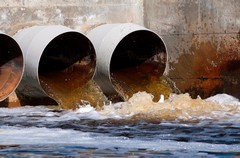
Flush a toilet, drain a sink, or run the washing machine, and that water seems to simply disappear. But that water does not vanish into thin air. Understanding where does sewage water go matters more than most homeowners realize, especially when something goes wrong and that wastewater suddenly reverses course back into your living space. When that happens, you want to know who to call, and the team behind damage restoration services in Milwaukee and its nearby areas has seen firsthand how important it is to understand the system that carries waste away from your property.
The path your wastewater takes is a quiet feat of engineering, involving pipes, gravity, treatment plants, and careful regulation. Following that journey helps you appreciate why backups are serious, why they pose health risks, and why professional cleanup is never something to postpone. Let us trace that path from your drains all the way to its final destination.
The First Stop: Your Home's Plumbing
Every drain in your house connects to a network of pipes hidden behind walls and beneath floors. When you flush or drain water, it flows into these branch lines, which all eventually merge into a single main drain line that exits your home. Gravity does most of the work here, pulling waste downward and outward toward the next stage of the journey.
Your home's plumbing also includes vent pipes that reach up through the roof. These vents allow air into the system, which keeps water flowing smoothly and prevents the gurgling and slow drainage that signal trouble. When you first ask where does sewage water go, the answer begins right here, with the slope and pressure that move waste away from the fixtures you use every day. A blockage anywhere in this early stage can cause water to back up into tubs, sinks, or floor drains, often the first warning sign that something downstream is not working as it should.
Into the Municipal Sewer or Septic System
Once wastewater leaves your home, it enters one of two systems depending on where you live. In cities and densely populated neighborhoods, your main line connects to a municipal sewer system, a vast underground network of larger pipes that collect waste from entire communities. These lines rely on both gravity and lift stations, which are pumps that push sewage uphill when the terrain does not cooperate.
In more rural areas, homes often use a septic system instead. Here, wastewater flows into a buried septic tank where solids settle to the bottom and liquids rise to the top. The liquid then disperses into a drain field, where soil naturally filters it. Both systems are designed to carry waste safely away, but both can fail. A clogged sewer main, a saturated drain field, or a backed-up lateral line can send contaminated water right back toward your home. Understanding where does sewage water go in your specific setup helps you spot problems before they escalate.
The Treatment Plant: Cleaning Before Release
For homes connected to municipal sewers, the journey continues to a wastewater treatment plant. This is where the real transformation happens. Sewage arrives and passes through multiple stages designed to remove contaminants and make the water safe enough to return to the environment.
The process generally moves through several phases. First, screening and settling remove large debris and heavy solids. Next, biological treatment uses bacteria to break down organic matter. Finally, disinfection steps such as chlorination or ultraviolet light eliminate remaining pathogens before the treated water is released. The cleaned water typically flows into rivers, lakes, or other bodies of water, while the separated solids are processed further into materials that can sometimes be used as fertilizer or safely disposed of. This is the full answer to where does sewage water go once it leaves your neighborhood, a carefully regulated cycle that protects public health and local waterways across Milwaukee and the surrounding areas.
When the Journey Reverses: Sewage Backups
The system works beautifully until it does not. Heavy rainfall can overwhelm municipal lines, tree roots can invade and crack pipes, and aging infrastructure can collapse. When any of these happen, wastewater has nowhere to go but backward, and that means into basements, bathrooms, and laundry rooms. A sewage backup is one of the most hazardous forms of water damage a homeowner can face.
Unlike a clean water leak, sewage carries bacteria, viruses, and other pathogens that pose immediate health risks. It also soaks into porous materials like drywall, carpet, and wood, where it can linger and breed mold if not addressed quickly. This is why a backup is never a job for a mop and bucket. Professional water damage restoration in Milwaukee involves specialized equipment, protective gear, and proven sanitation methods to remove contamination and restore your home to a safe condition. The faster the response, the less damage spreads through your property.
Protecting Your Home From Sewage Problems
While you cannot control the municipal system, you can take steps to reduce the chance of a backup originating in or near your home. Being mindful of what goes down your drains makes a real difference over time.
- Never flush wipes, paper towels, or feminine products, even those labeled flushable, because they do not break down like toilet paper.
- Keep grease, oil, and food scraps out of kitchen drains, since they harden and build up inside pipes.
- Have your sewer line inspected periodically, especially if you have mature trees whose roots can infiltrate pipes.
- Consider installing a backwater valve, which helps prevent municipal backups from entering your home.
Regular maintenance of your septic tank, if you have one, is equally important. Pumping it on schedule prevents solids from overflowing into the drain field and causing failures that are expensive and messy to repair. Small habits protect the entire path that answers where does sewage water go, keeping that one-way journey flowing in the right direction.
Why Professional Cleanup Matters
When sewage does enter your living space, the stakes are high. Contaminated water requires thorough extraction, disinfection, drying, and often the removal of unsalvageable materials. Trying to handle it yourself can expose your family to illness and leave hidden moisture that leads to mold growth weeks later. That lingering moisture is exactly why so many backups eventually require mold remediation in the Milwaukee area if the initial cleanup was incomplete.
A trained restoration team assesses the full scope of the damage, uses commercial-grade equipment to dry the affected areas completely, and verifies that your home is sanitized before any rebuilding begins. This methodical approach protects both your property and your health, and it gives you confidence that the problem is truly resolved rather than temporarily hidden.
The journey of your wastewater is an invisible system most people never think about until it fails. Knowing where does sewage water go helps you recognize warning signs early, maintain your plumbing responsibly, and respond quickly when something goes wrong. From your home's pipes to the municipal sewer or septic tank and on to the treatment plant, every stage plays a role in keeping your community healthy.
If you ever face a backup or need water damage restoration in Kenosha, WI, do not wait for the problem to worsen. Reach out to RestoreMore for prompt, professional help across Milwaukee and neighboring communities, and let our team restore your home safely and completely.