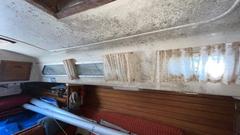
Water has a way of finding the places you cannot see, and it often leaves an unwelcome guest behind. Within 24 to 48 hours of a leak, flood, or damp basement, mold can begin to take hold, spreading quietly behind walls and under flooring long before you notice a problem. If you have recently dealt with a burst pipe or storm flooding and hired damage restoration services in Milwaukee and its surrounding areas, understanding the early signs of mold is one of the smartest things you can do to protect your home and your health.
The tricky part is that mold does not always announce itself. So the question homeowners ask us most often is a fair one: what does mold from water damage look like? The answer depends on where the moisture settled, how long it lingered, and what kind of surface it touched. In this guide, we will walk through the visual clues, the less obvious warning signs, and the point at which you should stop waiting and start calling for help.
What Does Mold from Water Damage Look Like?
Mold that develops after water damage rarely looks like a single, tidy patch. More often it appears as clusters of tiny spots that spread and merge over time. The color varies widely depending on the species and the material it feeds on. You might see black or dark green streaks on drywall, fuzzy white or gray patches on wood framing, or slimy orange and pink growth in consistently wet areas like around tubs and drains. On ceilings and painted walls, mold sometimes shows up as blotchy discoloration that almost resembles a water stain until you look closer and notice the raised, textured surface.
Texture is a helpful clue. Surface stains from water tend to be flat and smooth, while mold has dimension to it. It can look powdery, fuzzy, or velvety, and in humid conditions it may appear damp or glossy. Behind walls and beneath carpet padding, mold often takes on a matted, cotton-like appearance. When people ask us what does mold from water damage look like in those hidden spaces, the honest answer is that you may not see it at all at first. That is why smell and other symptoms matter just as much as appearance.
Beyond What You Can See
Not every mold problem is visible, and some of the most serious growth happens where you would never think to look. A musty, earthy odor is one of the earliest and most reliable indicators that mold is present, even when no discoloration has appeared. That damp basement smell many people shrug off is frequently the first sign of active growth inside walls, under subflooring, or within HVAC ductwork.
Physical symptoms can also tip you off. If family members start experiencing unexplained congestion, sneezing, itchy eyes, or worsening allergy and asthma symptoms that improve when they leave the house, mold may be circulating through the air. Warping walls, bubbling paint, peeling wallpaper, and floorboards that feel soft or spongy underfoot all point to lingering moisture, which is exactly the environment mold needs to thrive. When these clues stack up alongside a recent water event, it is time to take the possibility seriously rather than wait for a visible patch to confirm it.
Where Mold Tends to Hide After Water Damage
Mold follows moisture, so it gravitates toward the parts of your home that stay damp and dark. Understanding these hotspots helps you inspect the right places before a small issue becomes a costly one.
- Basements and crawl spaces, where groundwater seepage and poor ventilation create ideal conditions.
- Behind and beneath sinks, dishwashers, and washing machines, where slow leaks go unnoticed for months.
- Attics and ceilings affected by roof leaks, especially around vents and flashing.
- Inside walls after a burst pipe, where wet insulation holds moisture against the framing.
- Under carpet and padding in rooms that have flooded, even after the surface feels dry.
Because so much of this activity happens out of sight, a professional inspection often reveals growth that a homeowner would never spot on their own. Addressing the underlying moisture is the only lasting fix, which is why our 24-hour water damage restoration in Milwaukee and the nearby region focuses on drying structures thoroughly before problems have a chance to develop.
When Should You Act?
The short answer is sooner than most people think. Mold can begin colonizing wet materials within a day or two, and once it establishes itself, it does not stop on its own. If you can see visible growth larger than roughly a square foot, smell a persistent musty odor, or know that an area stayed wet for more than 48 hours, those are all clear signals to bring in a professional. The same goes for any situation involving contaminated water, such as sewage backups or storm flooding, where the risks extend well beyond the mold itself.
Waiting rarely pays off. What starts as a small patch on a baseboard can spread into wall cavities, insulation, and framing, turning a manageable cleanup into a larger structural and health concern. Trying to scrub it away with household cleaner can also backfire, because disturbing mold without proper containment releases spores that settle and grow elsewhere in the home. If you keep asking yourself what does mold from water damage look like and finding new spots, that spreading pattern alone is reason enough to stop guessing and get an expert assessment.
How Professional Mold Remediation Works
Effective mold removal is about more than wiping down a surface. A proper remediation process begins with an inspection to identify the full extent of the growth and the moisture source feeding it. From there, technicians establish containment to keep spores from traveling, use specialized filtration to clean the air, and carefully remove or treat affected materials. The final and most important step is correcting the moisture problem so the mold cannot return, whether that means repairing a leak, improving drainage, or drying out a chronically damp space.
At RestoreMore, our team handles this work across the region, from Racine to Milwaukee and the surrounding areas, with the equipment and training to address both the visible growth and the hidden conditions behind it. Homeowners dealing with recurring dampness or a recent flood can learn more about our approach to mold removal and mold remediation in Milwaukee and the nearby area, which is designed to restore a healthy indoor environment rather than simply mask the symptoms. For residents a little farther out, we also provide mold remediation in New Berlin, WI and neighboring communities.
Knowing what does mold from water damage look like gives you a valuable head start, but recognizing the signs is only half the battle. The colors, textures, and musty odors we have described are warnings worth heeding quickly, because mold rewards delay and punishes hesitation. When moisture has touched your home, a prompt inspection can spare you the expense and stress of a much larger problem down the road.
If you suspect mold or have recently experienced water damage anywhere in the Milwaukee and Racine area, do not wait for the situation to worsen. Reach out to RestoreMore for a professional evaluation, and let our team help you protect your home, your health, and your peace of mind.