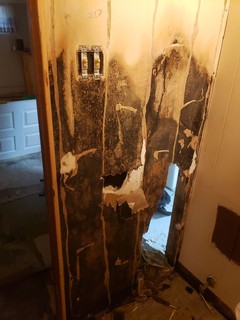
Few discoveries in a home are as unsettling as spotting dark, fuzzy patches spreading across a wooden beam, subfloor, or window frame. Wood is porous, which makes it a favorite surface for mold to take root, especially in basements, crawl spaces, and attics where moisture lingers. If you have been searching for what kills black mold on wood, you are already asking the right question, because treating it properly matters more than simply wiping it away. At RestoreMore Inc, we have handled countless mold situations through our damage restoration services in Milwaukee and its neighboring communities, and we want you to approach cleanup with the right information and the right level of caution.
Black mold does not just stain surfaces. It can weaken wood over time and release spores that affect indoor air quality. Understanding which treatments actually work, and which ones only mask the problem, is the first step toward a cleaner, healthier home.
Why Black Mold Loves Wood in the First Place
Mold needs three things to thrive: moisture, a food source, and the right temperature. Wood checks every box. Its fibrous structure holds water, and the organic material in the grain gives mold something to feed on. In our Wisconsin climate, humidity swings and seasonal moisture create ideal conditions for growth, particularly in areas that stay damp and poorly ventilated.
What makes wood tricky is that mold can penetrate below the surface. You might scrub away the visible discoloration and still leave living spores embedded in the grain. That is why surface cleaning alone often leads to regrowth within weeks. Addressing the underlying moisture is just as important as removing the mold itself, because without fixing the source, any treatment is temporary.
What Kills Black Mold on Wood: Common Cleaning Agents
When homeowners ask what kills black mold on wood, the answer usually comes down to a handful of accessible cleaners, each with strengths and limitations. Choosing the right one depends on whether the wood is sealed, painted, or raw.
White vinegar is one of the gentlest and most effective options for lightly affected surfaces. Its acidity disrupts mold and can penetrate porous wood better than many alternatives. Applied undiluted and left to sit before wiping, vinegar handles minor growth without the harsh fumes of stronger chemicals.
Hydrogen peroxide, typically a 3 percent solution, is another reliable choice. It kills mold on contact and has a mild bleaching effect that helps fade staining. Dish soap mixed with warm water works well for surface cleaning on finished or sealed wood, lifting mold before it has a chance to settle deeper into the grain.
Many people reach for bleach first, but it has a notable drawback on wood. Chlorine bleach does a great job removing the dark color, making the wood look clean, yet its water base can soak into the grain and actually feed remaining spores. Bleach is better suited for nonporous surfaces like tile and glass than for untreated wood.
- White vinegar: effective on porous wood, low odor, no rinsing required
- Hydrogen peroxide: kills spores and lightens staining on contact
- Dish soap and water: ideal for sealed or finished surfaces
- Baking soda paste: gentle scrubbing aid that also helps absorb moisture
A Safe Approach to Do-It-Yourself Cleanup
If the affected area is small, generally considered less than about ten square feet, careful cleanup can often be handled on your own. Protecting yourself comes first. Wear an N95 mask, gloves, and eye protection, and open windows or run a fan to keep air moving. Spores become airborne easily when disturbed, so containing the area helps prevent spread to other rooms.
Start by applying your chosen cleaner and giving it time to work rather than scrubbing immediately. Let vinegar or peroxide sit for several minutes so it can penetrate. Use a soft brush to work the solution into the grain, then wipe the surface clean with a damp cloth. For raw wood, light sanding after cleaning can remove stubborn surface staining and any spores lodged just below the top layer. Always dry the wood thoroughly afterward, because leftover moisture invites the problem right back.
Dispose of rags, brushes, and any porous materials that cannot be fully cleaned. Then monitor the area over the following weeks. If the mold returns, it usually signals a deeper moisture issue or growth beneath the surface that household cleaning cannot reach.
When Cleanup Is Bigger Than a DIY Project
There is a point where tackling mold yourself stops being safe or effective. Large patches, mold inside walls, growth that keeps coming back, or any musty odor paired with respiratory symptoms are all signals to bring in professionals. Extensive mold often ties back to hidden leaks or past water intrusion, and if that is the case, our 24-hour water damage restoration in the Milwaukee area can address the moisture at its source so the mold does not simply return.
Professional remediation goes well beyond cleaning. It involves containment to stop spores from spreading, specialized equipment like air scrubbers and HEPA filtration, moisture mapping to find hidden dampness, and safe removal of materials that are too far gone to salvage. We bring these methods to homes across Milwaukee and the surrounding areas, giving families confidence that the problem has been handled thoroughly rather than cosmetically.
Another reason to call in experts is accurate assessment. What looks like a small surface patch can sometimes extend into framing, insulation, or subflooring. Our technicians can tell the difference and recommend the least invasive path that still fully resolves the issue. You can learn more about how we handle these situations through our mold removal and remediation in Milwaukee.
Preventing Mold From Coming Back
The most effective long-term strategy is denying mold the moisture it needs. Keep indoor humidity in check with dehumidifiers, especially in basements and crawl spaces. Ensure bathrooms and kitchens are well ventilated, repair leaks promptly, and make sure gutters and grading direct water away from your foundation. Sealing or finishing raw wood also creates a barrier that makes it far harder for mold to establish a foothold.
Seasonal inspections pay off too. A quick look at areas prone to dampness, after heavy rains or spring thaw, can catch small issues before they become expensive ones. Good airflow and consistent dryness do more to prevent recurrence than any single cleaning product.
Knowing When to Get Help
Understanding what kills black mold on wood gives you the tools to handle small, manageable spots with vinegar, peroxide, or soap and a careful, protected approach. The key is treating the moisture problem alongside the visible growth, drying the wood completely, and keeping an eye out for regrowth that hints at something deeper.
When the situation outgrows a spray bottle and a brush, professional help protects both your home and your health. Whether you need a thorough inspection, full remediation, or mold remediation in Franklin, WI, our experienced team is ready to restore your space safely and completely. Reach out to RestoreMore Inc for a closer look, and let us help you get your home back to clean, dry, and healthy throughout Milwaukee and neighboring communities.