Dealing with water damage in a home can be a nightmare for homeowners. Whether it's the distress of discovering a leaky basement or the inconvenience of a soggy lawn, effective water drainage is crucial to maintaining a healthy and dry living environment. One solution that often rises to the top is the weeping system, an essential tool used widely in areas like Milwaukee, WI, where unpredictable weather patterns often result in excess water issues. For homeowners and businesses, knowing how a weeping system works can make a significant difference. Partnering with a reputable restoration company in Milwaukee and beyond can ensure that such systems are properly installed and maintained.
At its core, a weeping system is designed to manage and redirect excess water away from a foundation or other sensitive areas. The system consists of a series of pipes with small perforations, buried underground next to the building's foundation. As groundwater levels rise, water enters these pipes through the perforations and is channeled safely away from the structure. This process effectively alleviates any potential water damage to the foundation and the areas surrounding the building. Throughout this post, we will delve deeper into how a weeping system intends to mitigate water damage, its crucial components, and why it stands as a steadfast solution for homeowners in Milwaukee and similar regions.
Understanding the Components of a Weeping System
To fully grasp how a weeping system functions, it is important to comprehend its primary components. This foundational knowledge will also aid in recognizing what differentiates a well-constructed system from one that may falter. The main elements include gravel, perforated pipes, and a continuous drainage path.
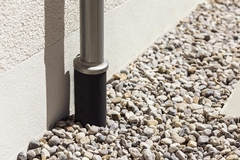
Gravel Layer: Gravel serves as a filtration layer that lets water pass through while keeping soil and any potential blockages away from the pipes. This extends the system's operational life by ensuring that sediment does not clog the pipes.
Perforated Pipes: These pipes are typically laid adjacent to a building's foundation and are essential for collecting and directing water. The small holes or perforations in the pipes allow water to enter the system effectively from the surrounding soil.
Drainage Path: This component involves the layout or path designed to carry the water collected in the pipes away from the foundation. The collected water typically drains into areas designated to handle excess water, such as storm sewers or designated low-lying areas within a property.
Benefits of Installing a Weeping System
There are several compelling reasons why property owners should consider installing a weeping system, especially in regions prone to heavy rainfall or rapidly changing weather conditions like Milwaukee, WI. Such systems not only provide immense peace of mind but also offer long-term benefits for maintaining property integrity and value.
- Foundation Protection: The primary advantage of a weeping system is the protection it offers to a building's foundation. Continuous exposure to water can lead to foundation cracks and structural compromises. A weeping system directs water away, preserving the foundation's condition.
- Mitigation of Flooding Risk: By redirecting excessive groundwater away, the system significantly reduces the risk of basement flooding, a common problem that can lead to costly repairs and mold issues.
- Increased Property Value: Homes with effective water management systems are often more attractive to potential buyers, increasing the property's marketability and value.
Installation and Maintenance: Doing It Right
Correct installation and maintenance of a weeping system are critical to its success. While this is no DIY task, skilled professionals have the tools and expertise necessary for installation. Homeowners need to understand the process to oversee and ensure quality work.
Before installation, an assessment should be done to determine the specific needs of the property. Professionals from water damage restoration services can evaluate factors like soil type, foundation conditions, and local weather patterns. For example, when considering home additions & renovations in Milwaukee, having a weeping system becomes crucial to preserving new structural additions.
Regular inspections and maintenance ensure that the system operates efficiently over time. Periodic checks for blockages or pipe damage, especially after severe weather events, help prevent future issues. In a place like Milwaukee, where weather conditions can change rapidly, staying ahead with regular maintenance is key.
Overcoming Challenges With Weeping Systems
Despite their efficacy, weeping systems can sometimes face challenges. Blockages, incorrect installations, and insufficient maintenance are common hurdles that can hinder performance. However, these can be effectively managed through proper planning and ongoing care.
Ensuring appropriate gravel coverage minimizes the chance of blockages, and regular inspections by restoration professionals can swiftly address and rectify potential issues. As with any system, the initial installation's quality will dictate its longevity and effectiveness.
Choosing the Right Expertise for Your Property
When it comes to implementing a weeping system, working with experienced professionals is vital. Collaborating with firms that offer comprehensive services will enable property owners to leverage both installation and ongoing maintenance support. Restoration companies like RestoreMore in Milwaukee are proficient in various aspects of restoration and construction equipment rental & setup, providing a one-stop solution for property owners.
Harnessing the Power of a Weeping System
Water management is a critical aspect of property maintenance, especially in places like Milwaukee. Investing in a reliable weeping system helps in effectively managing water drainage, thus safeguarding the property from potential water damage and reducing future maintenance costs. Property renovations or improvements can also greatly benefit from incorporating an efficient weeping system under the guidance of experienced professionals.
In nearby areas such as West Allis, restoration equipment rental & setup is easily accessible for property owners looking to maintain or upgrade their water management systems. Explore how our services at RestoreMore can provide you with seamless water management solutions, ensuring your property remains in prime condition no matter the weather. With tailored programs and expert insight, you'll have peace of mind knowing your property is protected. Reach out to us today to learn more about safeguarding your home or commercial space from the pitfalls of improper water management.