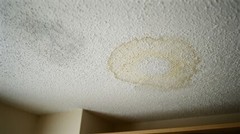
That yellowish-brown ring spreading across your textured ceiling is rarely a good sign. When homeowners notice a popcorn ceiling with water damage, the first instinct is usually to wonder how bad it really is and what it will take to fix. The honest answer is that these ceilings behave differently than smooth drywall, and the situation often calls for a careful, professional approach. If you are dealing with staining, sagging, or flaking overhead, our team offers damage restoration services in Milwaukee and beyond and can help you understand exactly what you are looking at.
Popcorn ceilings, sometimes called acoustic or textured ceilings, were popular in homes built through the middle of the last century. That texture hides imperfections beautifully, but it also traps moisture and can hide the early warning signs of a leak until the problem has grown. Knowing what to expect helps you make smart decisions quickly, before a small stain turns into a larger, costlier repair.
Why Water Damage Hits Popcorn Ceilings Harder
The very texture that gives these ceilings their character is what makes them vulnerable. The bumpy surface is porous and holds water rather than letting it run off, which means moisture lingers and soaks deeper into the material. On a smooth painted ceiling, a leak often shows as a simple stain. On a textured surface, water can loosen the popcorn material entirely, causing it to sag, crumble, or fall in chunks.
There is another important consideration with older homes. Popcorn ceilings installed before the late 1970s may contain asbestos, a material that becomes dangerous when disturbed. Water damage can cause the texture to flake and release particles into the air, which is one of the biggest reasons a popcorn ceiling with water damage should not be scraped or handled casually. Testing the material before any repair work begins protects your household and ensures the job is done safely.
Common Causes Behind the Stain
Before anyone repairs the ceiling, the source of the water has to be found and stopped. Otherwise, the damage simply returns. In our experience across Racine and Milwaukee homes, the culprit usually falls into a few familiar categories.
- Roof leaks from damaged shingles, flashing, or ice dams during Wisconsin winters
- Plumbing problems in an upstairs bathroom, kitchen, or laundry area
- Overflowing tubs, sinks, or malfunctioning appliances on the floor above
- Condensation and poor ventilation in attics and around HVAC systems
Pinpointing the exact origin sometimes requires moisture meters and thermal imaging, since water travels along framing and can appear far from where it entered. This is where a trained restoration crew earns its keep, because guessing at the source often leads to repeated repairs.
What Happens If You Wait
It can be tempting to paint over a stain and hope it stays hidden, especially when the discoloration seems minor. That approach almost always backfires. Trapped moisture in a ceiling creates the perfect environment for mold, which can begin developing within a day or two of water intrusion. Once mold takes hold behind the texture or in the drywall above, the problem shifts from a cosmetic repair to a health concern.
Sagging is another red flag that should never be ignored. When a popcorn ceiling with water damage starts to droop, it means the drywall behind the texture has absorbed enough water to weaken. At that point the ceiling can fail suddenly, and a soggy section coming down is both dangerous and messy. If you notice bulging or feel soft spots, keep people and pets clear of the area and call for help right away. For situations where mold has already appeared, professional mold remediation in Milwaukee and its surrounding areas addresses the growth safely rather than just masking it.
What the Restoration Process Looks Like
Homeowners often feel more at ease once they understand the sequence of a professional repair. Every situation is a little different, but the general path is consistent. First, the source of the water is identified and stopped so no new moisture enters the space. Next comes drying, using air movers and dehumidifiers to pull moisture out of the ceiling, framing, and any insulation that may have been affected. Skipping this step is one of the most common mistakes, and it is exactly why rushed do-it-yourself patches tend to fail.
Only after the area is thoroughly dry does repair begin. Damaged sections of drywall may need to be cut out and replaced, and the popcorn texture has to be matched or, in many cases, removed and refinished. Because that original texture can be difficult to blend seamlessly, many homeowners choose to convert to a smooth ceiling during the repair, which also modernizes the look of the room. If the water intrusion was extensive, this can be a good moment to consider broader updates through home renovation work while the space is already opened up.
Throughout the process, documentation matters. Photos, moisture readings, and detailed notes support any insurance claim you may file. A reputable restoration company will help you navigate that paperwork so you are not left sorting it out alone.
Can You Handle a Popcorn Ceiling With Water Damage Yourself?
For a very small, dry stain in a newer home where asbestos is not a concern, a careful homeowner might manage a stain-blocking primer and touch-up. Beyond that, the risks add up quickly. You may not have the equipment to confirm the area is truly dry, you could disturb hazardous material, and matching that texture is genuinely difficult without practice. When you factor in the possibility of hidden mold and the safety of a weakened ceiling, professional help usually saves money and stress in the long run.
Our crews respond throughout Milwaukee and the surrounding areas, bringing the drying equipment, testing tools, and finishing skills these jobs require. We also handle the underlying issue, so whether the trouble started with a burst pipe or a roof leak, our water damage restoration services address the full picture rather than just the visible stain.
Getting Ahead of the Next Leak
Once your ceiling is restored, a few habits go a long way toward preventing a repeat. Keep an eye on your roof after heavy storms and hard freezes, and clear gutters so water drains away from the house. Check the caulking and supply lines around upstairs bathrooms and appliances periodically, and make sure attic and bathroom ventilation is working so condensation does not build up. Catching a small drip early is far easier than dealing with a collapsed ceiling.
When water finds its way into a textured ceiling, the smartest move is to act quickly and lean on people who work with these situations every day. A popcorn ceiling with water damage can range from a simple cosmetic fix to a project involving hidden mold and structural drying, and the only way to know for sure is a proper inspection. We proudly serve homeowners in Racine, Milwaukee, and nearby communities, including water damage restoration in areas like Brookfield, with round-the-clock response when you need it most.
If that stain overhead has you worried, do not wait for it to spread. Reach out for a professional assessment, get clear answers about what your ceiling needs, and let us help you protect your home before a minor blemish becomes a major repair.