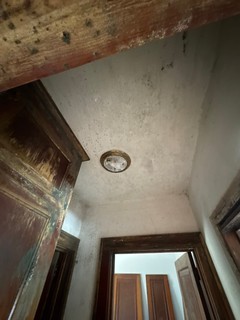
Wood is one of the most common surfaces where black mold takes hold, and it is also one of the trickiest to clean. Beams, subflooring, wall studs, cabinets, and furniture all absorb moisture, and that moisture is exactly what mold needs to grow. The challenge is that many aggressive cleaning methods that kill black mold on wood can also swell the grain, strip the finish, or leave permanent staining behind. As a trusted restoration company in Milwaukee and its nearby neighborhoods, we know how frustrating it is to solve one problem only to create another.
The good news is that safe, effective removal is absolutely possible when you use the right approach. This guide walks through how to treat mold on wood surfaces while protecting the integrity of the material underneath, so you can restore your home without unnecessary damage or replacement costs.
Why Wood Requires a Gentler Approach
Unlike tile, glass, or sealed concrete, wood is porous and organic. That means mold does not just sit on the surface; its roots, called hyphae, can burrow into the fibers. Scrubbing too hard or soaking the material can push moisture deeper and spread spores, while harsh chemicals may bleach or corrode the surface unevenly.
There is also an important distinction between finished wood and unfinished wood. Sealed or painted surfaces like furniture and trim usually keep mold on the outer layer, making cleanup more straightforward. Raw structural wood, such as framing in an attic or crawl space, absorbs moisture readily and often requires more careful treatment. Understanding which type you are dealing with helps you choose the safest method and avoid overcorrecting.
What You Need Before You Start
Preparation protects both you and your home. Black mold can release spores when disturbed, so containing the area and wearing protection matters. Before you attempt to kill black mold on wood, gather a few essentials and set up the space properly.
- An N95 respirator, gloves, and eye protection to limit exposure to airborne spores.
- Plastic sheeting and painter's tape to seal off the work area from the rest of the home.
- Soft-bristle brushes, microfiber cloths, and a HEPA vacuum rather than a standard vacuum that can recirculate spores.
- A cleaning solution suited to wood, along with fans for controlled drying afterward.
Ventilation is just as important as containment. Open a window or run an exhaust fan directed outdoors so spores are not trapped in the room. If the affected area is larger than roughly ten square feet, professional help is strongly recommended, because widespread growth often signals a hidden moisture source that needs to be corrected first.
Cleaning Solutions That Work Without Wrecking the Wood
Many homeowners reach for bleach, but bleach is often the wrong choice for porous wood. It works well on hard, non-porous surfaces, yet on wood it tends to stay on the surface while the water carrier soaks in, potentially feeding the mold and warping the grain. There are gentler, more effective options.
A solution of warm water and mild dish soap can lift surface mold from finished wood without saturating it. For a stronger yet still wood-friendly option, distilled white vinegar applied directly and left for about an hour penetrates the porous surface and can kill black mold on wood at the root. Wipe it away with a damp cloth, then dry the area thoroughly. Hydrogen peroxide at a three percent concentration is another reliable choice that disinfects and lightens minor staining without the harshness of chlorine bleach. Whatever product you choose, work in small sections, avoid oversaturating, and dry as you go.
The Step-by-Step Removal Process
Once your area is contained and your supplies are ready, work methodically. First, vacuum the loose surface growth with a HEPA vacuum to reduce the number of spores you disturb during scrubbing. Next, apply your chosen solution and let it sit long enough to penetrate, following the timing for the product you selected. Then gently scrub with a soft brush, moving with the grain rather than against it to avoid tearing the fibers.
After scrubbing, wipe the surface clean and immediately begin drying. This drying step is where many well-intentioned efforts to kill black mold on wood fall short. Any lingering moisture invites regrowth within days. Use fans, a dehumidifier, or both to bring the wood back to a normal moisture level. For deeper staining that remains after cleaning, light sanding on unfinished wood can remove the discolored top layer, but sand cautiously and only after the surface is fully dry.
If the wood is soft, crumbling, or structurally compromised, cleaning is no longer enough. Rotted framing or subflooring should be evaluated and often replaced, because mold that has weakened the material cannot simply be washed away. This is common in homes that have experienced ongoing leaks, which is why addressing the water source through proper water damage restoration in Milwaukee is a critical part of preventing mold from returning.
Stopping Mold From Coming Back
Removal is only half the battle. Mold returns wherever moisture lingers, so controlling humidity is the long-term solution. Keep indoor relative humidity below sixty percent, fix plumbing leaks promptly, and ensure attics, basements, and crawl spaces are properly ventilated. In Wisconsin, seasonal temperature swings and snowmelt can create condensation and hidden dampness, making regular inspections worthwhile for homeowners throughout Milwaukee and the surrounding communities.
Once the wood is clean and dry, consider sealing raw surfaces with a mold-resistant primer or finish. This creates a protective barrier that makes it harder for spores to take hold in the future. Furniture and trim benefit from a fresh coat of paint or sealant, while structural wood in enclosed spaces stays healthier when airflow and moisture control are prioritized.
When to Call a Professional
Small, isolated patches on finished wood are often manageable as a do-it-yourself project. Larger infestations, recurring growth, or mold tied to a leak, flood, or persistent humidity problem call for professional attention. Certified technicians can identify hidden moisture, contain the area to prevent cross-contamination, and treat wood without unnecessary demolition. Our team provides thorough mold removal in Milwaukee designed to protect the materials in your home while eliminating the problem at its source.
The most important takeaway is that patience and the right method matter more than brute force. Gentle cleaners, careful scrubbing, and complete drying will kill black mold on wood while preserving the surface, whereas harsh chemicals and oversaturation frequently create new damage. Fixing the underlying moisture issue is what keeps the problem from returning.
If you are dealing with stubborn growth or simply want peace of mind, professional help is available for homeowners across Racine, Milwaukee, and neighboring towns. Whether you need guidance on a small spot or full-scale mold remediation in Franklin, the RestoreMore Inc team is ready to restore your home safely and thoroughly. Reach out for a free assessment and let us help you protect both your health and your property.