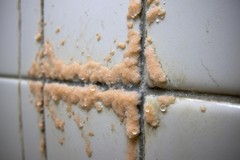
That slimy orange film creeping across your shower grout or forming along the base of your toilet can be unsettling, especially when it seems to return no matter how often you scrub. If you have spotted orange mold in bathroom corners, around drains, or on caulk lines, you are not alone. Bathrooms create the perfect storm of moisture, warmth, and organic residue that allows this stubborn growth to flourish. At RestoreMore Inc, we handle these issues every day and offer professional damage restoration services in Milwaukee, WI for homeowners dealing with mold, moisture, and water problems.
Understanding what you are looking at is the first step toward getting rid of it for good. Orange discoloration in a bathroom is not always what people assume, and the right removal approach depends on identifying the source. Let us break down what this growth actually is, why it keeps coming back, and how to address it safely.
What Is Orange Mold, Exactly?
The orange or pinkish film you see in showers and around sinks is often not a true mold at all. In many cases, it is a bacterium called Serratia marcescens, which thrives on the fatty residues left behind by soap, shampoo, and body oils. It appears as a slimy, orange or salmon-colored coating that clings to tile, grout, shower curtains, and toilet bowls. Because it feeds on everyday bathroom residue, it spreads quickly in any damp environment.
True orange molds do exist as well, including species like Aleuria aurantia and certain forms of fungal growth that take on rusty or orange hues. These tend to be fuzzier in texture compared to the slimy bacterial film. Whether the culprit is bacterial or fungal, the presence of persistent orange mold in bathroom spaces signals that moisture is lingering longer than it should. That excess dampness is the real problem you need to solve.
Why It Keeps Showing Up in Your Bathroom
Bathrooms are humid by nature, and that humidity is exactly what allows orange growth to take hold. Every hot shower releases steam that settles on cool surfaces, and without proper ventilation, that moisture has nowhere to go. Poorly sealed grout, dripping faucets, and slow drains all contribute by keeping surfaces wet for extended periods.
Another factor is the constant supply of food. Soap scum, skin cells, and mineral deposits give both bacteria and mold plenty to feed on. If your exhaust fan is weak or missing, or if you rarely open a window, the combination of trapped moisture and organic buildup practically guarantees recurring growth. This is why simply wiping it away offers only temporary relief. The underlying conditions bring it right back within days.
Is Orange Mold Dangerous?
For most healthy adults, brief contact with orange mold in bathroom areas is not considered highly hazardous, but that does not mean you should ignore it. Serratia marcescens has been linked to infections in vulnerable individuals, particularly those with weakened immune systems or open wounds. It can irritate the eyes, respiratory tract, and skin with prolonged exposure.
True molds, meanwhile, can release spores that trigger allergic reactions, coughing, congestion, and asthma flare-ups. Children, older adults, and anyone with respiratory conditions face greater risk. The safest approach is to treat any orange growth promptly and take steps to keep it from spreading to other porous materials like drywall, wood trim, or caulk, where it becomes harder to remove.
How to Remove Orange Mold Safely
Removing orange growth involves more than a quick pass with a sponge. You need to clean the affected surface thoroughly, disinfect it, and then address the moisture that allowed it to grow. Before you begin, open a window or run the exhaust fan, and wear gloves along with a mask to avoid direct contact and inhalation.
Here is a straightforward approach that works for most cases of surface growth:
- Mix a solution of warm water and a mild detergent or a cleaner formulated for mold and mildew, then scrub the affected area with a stiff brush to break up the film.
- Follow with a disinfectant such as a diluted bleach solution or hydrogen peroxide, letting it sit for several minutes before rinsing and drying the surface completely.
After cleaning, dry the area thoroughly and address the moisture source. Fix leaky faucets, reseal cracked grout, and run your exhaust fan during and after every shower. Wiping down shower walls after use and keeping humidity in check makes a dramatic difference in preventing regrowth. For persistent or widespread growth, especially anything that has penetrated caulk, grout lines, or drywall, professional treatment is often the smarter choice.
When to Call a Professional
Surface cleaning handles minor cases, but recurring or spreading growth usually points to a deeper moisture issue. If orange mold in bathroom areas keeps returning after you clean it, or if you notice it appearing on walls, ceilings, or behind fixtures, there may be hidden water intrusion feeding the problem. Leaks inside walls, failing plumbing seals, and poor ventilation create conditions that no amount of scrubbing can fix on its own.
This is where our team comes in. We identify the source of the moisture, remove contaminated materials safely, and restore the affected area so growth does not come back. Our mold removal and remediation services in Milwaukee and its nearby regions are designed to address the root cause rather than just the visible symptoms. When mold has spread beyond what household cleaners can handle, professional remediation protects both your home and your health. We also help homeowners with water damage restoration in Milwaukee when leaks or flooding are part of the picture.
Preventing Future Growth
Once the current growth is gone, keeping it away is mostly about controlling moisture and staying consistent with cleaning. Run your exhaust fan for at least twenty minutes after showering, and consider a dehumidifier if your bathroom tends to stay damp. Wiping down wet surfaces, washing shower curtains regularly, and resealing grout every year or two all go a long way toward keeping bacteria and mold from gaining a foothold.
Pay attention to small leaks as well, since even a slow drip can sustain a colony of orange growth indefinitely. Good airflow, prompt repairs, and routine cleaning form the foundation of a mold-free bathroom. If you ever feel like the problem is beyond your control, reaching out sooner rather than later prevents a small issue from becoming an expensive one.
Orange growth in your bathroom is a signal, not just an eyesore. Whether it turns out to be bacterial slime or true mold, it tells you that moisture is lingering where it should not. By cleaning thoroughly, disinfecting, and fixing the source of dampness, most homeowners can regain control. For tougher cases, our experienced team proudly serves Racine, Milwaukee, and the surrounding areas, including mold remediation in New Berlin, WI.
If you are tired of fighting recurring growth or suspect a hidden moisture problem, contact RestoreMore Inc for a professional assessment. We are ready around the clock to help you protect your home and breathe easier, and we would be glad to answer your questions or provide a quote.