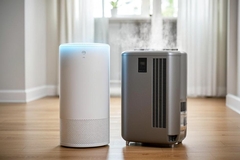
Household appliances have become indispensable in maintaining the comfort and safety of our living spaces. Among these, air purifiers and dehumidifiers are often confused due to their shared goal of improving indoor air quality. But is an air purifier the same as a dehumidifier? In this exploration, we’ll dive deep into their distinct functionalities and help you understand which one fits your specific needs. In Milwaukee, WI, damage restoration services, such as flood cleanup or mold remediation, often rely on these devices for effective post-restoration care.
Understanding Air Purifiers
An air purifier predominantly focuses on improving the air you breathe by removing airborne particles. These devices are equipped with filters that capture dust, pollen, pet dander, smoke, and even certain odors. Advanced models sometimes come with HEPA (High-Efficiency Particulate Air) filters capable of trapping very tiny particles, including some bacteria and viruses. This function is especially beneficial for households with individuals who suffer from allergies or respiratory conditions, as it reduces indoor air pollutants.
Some air purifiers also utilize UV (ultraviolet) light technologies or ionizers to destroy volatile organic compounds (VOCs) and pathogens. While air purifiers enhance air quality, they do not regulate humidity levels in a room. They serve solely to cleanse the air without affecting thermal comfort, making them an essential tool in various environments, including homes, offices, and healthcare facilities.
The Role of Dehumidifiers
Unlike air purifiers, dehumidifiers concentrate on adjusting the moisture content in the air. By drawing in humid air, extracting the moisture, and releasing dry air back into the environment, dehumidifiers are essential for maintaining a balanced humidity level. This is crucial in preventing mold growth, preserving the integrity of wooden furniture, and eliminating the musty smell often found in damp areas.
Ideal for basements, crawl spaces, or any area susceptible to high humidity, dehumidifiers not only improve comfort but also protect structural components of a building. By keeping humidity in check, dehumidifiers can inhibit the proliferation of allergens like mold and dust mites, enhancing the overall indoor environment.
Comparing Air Purifiers and Dehumidifiers
Now that we’ve established the core functionalities of each device, let’s answer that nagging question: is an air purifier the same as a dehumidifier? Essentially, no, they serve two different purposes. Here's a breakdown of the key differences:
Function:
- Air Purifier: Cleans the air by removing pollutants.
- Dehumidifier: Controls humidity levels by extracting moisture.
Health Benefits:
- Air Purifier: Provides relief for allergy sufferers and improves respiratory conditions.
- Dehumidifier: Prevents mold growth and protects against allergy triggers related to humidity.
Best Uses:
- Air Purifier: Ideal for settings where air quality is compromised due to allergens or smoke.
- Dehumidifier: Suited for environments with high humidity and potential mold issues.
Although used for improving indoor conditions, each device meets distinct requirements. For example, after water damage restoration in Milwaukee and its nearby areas, using a dehumidifier would help speed up the drying process, while an air purifier might help maintain air quality by reducing mold spores and other particulates.
When to Use an Air Purifier
Air purifiers are a wise investment for households affected by high levels of pollutants or allergens. Living near dense urban areas, industrial facilities, or wildfire-prone regions can drastically influence air quality. Families with pets also benefit due to the dander and odors produced by animals. Besides improving air quality, air purifiers contribute to a fresher environment by tackling unpleasant odors.
For those with respiratory issues or allergies, air purifiers can make a substantial difference by removing airborne triggers, potentially minimizing the frequency and intensity of symptoms.
When to Use a Dehumidifier
Conversely, dehumidifiers excel in moisture control and are invaluable in damp environments like basements, laundry rooms, or any poorly ventilated spaces. These devices not only make indoor spaces more comfortable by eliminating sticky air but also protect structural components and furnishings from moisture-related damage.
In regions prone to high humidity or during certain seasons, dehumidifiers can be instrumental in mold prevention. In homes where dampness is a recurring issue, a dehumidifier offers peace of mind by preserving the integrity of the space and contributing to a healthier living environment.
Choosing the Right Appliance for Your Needs
Selecting between an air purifier and a dehumidifier depends on your primary objectives. For those frequently exposed to high levels of dust, smoke, or allergens, an air purifier would be beneficial. It optimizes the breathing environment, which is crucial for individuals with asthma or heightened sensitivities.
On the other hand, if you face frequent moisture issues or live in a humid climate, dehumidifiers offer a practical solution for managing indoor humidity and preventing associated problems like mold growth. Sometimes, both appliances are necessary, particularly for those living in environments subject to dampness that also bear air quality concerns.
Considering environmental factors, like frequent rainfall or climate conditions, is crucial in deciding which appliance would make a notable impact on your quality of life. In mold remediation efforts, dehumidifiers are indispensable, reducing the recurrence of mold by controlling moisture levels.
Considerations for Combination Units
The market also offers hybrid units designed to both purify the air and reduce humidity. While they provide dual benefits, potential buyers should carefully evaluate the efficiency of such models. Combination units might offer convenience and space-saving advantages, but they may not match the performance levels of dedicated appliances concerning specific requirements.
Optimize Your Indoor Environment with RestoreMore
Whether you need post-flood dehumidification or air quality control after a fire incident, RestoreMore stands ready to equip you with the necessary tools and expertise. From fire damage restoration in New Berlin, our solutions ensure your home remains a safe haven throughout the year. Let us help you create a healthier, more comfortable environment by choosing the right appliance and restoration service. Contact us today to explore how our expertise can benefit your home in Milwaukee and the surrounding areas.