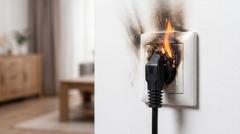
Electrical fires are among the most deceptive hazards a home or business can face. They often start silently behind walls, inside outlets, or within overloaded circuits, giving little warning until smoke or flames appear. Knowing how to put out an electrical fire before it spreads can be the difference between a minor scare and a devastating loss. Because these fires involve live current, the wrong response, like tossing water on the flames, can make the situation far more dangerous. At RestoreMore Inc, we handle the aftermath of these events every day, offering trusted property damage restoration services in Milwaukee and helping families recover quickly.
This guide walks you through the safest ways to respond to an electrical fire, the mistakes to avoid, and what to do once the danger has passed. Whether the fire is small enough to handle yourself or serious enough to require evacuation, preparation matters. Understanding these steps ahead of time gives you the confidence to act decisively when seconds count.
What Makes Electrical Fires Different
Electrical fires occur when heat builds up in wiring, appliances, or electrical components. Common culprits include overloaded outlets, frayed cords, faulty wiring, and aging electrical panels. Unlike a grease fire in the kitchen or a fire fueled by paper and fabric, an electrical fire involves an active flow of electricity. That live current is what makes water so dangerous, because water conducts electricity and can cause serious or fatal shock.
These fires can also smolder inside walls long before they become visible. Warning signs like a persistent burning smell, discolored outlets, flickering lights, or breakers that trip repeatedly should never be ignored. Recognizing these red flags early gives you the chance to address a problem before it turns into an emergency.
How to Put Out an Electrical Fire Safely
When flames appear, your first priority is safety, not saving property. If the fire is small and contained, you may be able to handle it, but you must act correctly. The single most important step is to remove the source of power if you can do so safely. Cutting off electricity reduces the risk of shock and can stop the fire from being fed by additional current.
Here are the essential steps to put out an electrical fire when it is small and manageable:
- Cut the power. Unplug the appliance if it is safe to reach the cord, or shut off the circuit at the breaker box.
- Use a Class C fire extinguisher. These are designed specifically for electrical fires and will not conduct electricity.
- Smother small flames if no extinguisher is available. Baking soda can suppress a tiny fire at an outlet or appliance.
- Never use water. Water conducts electricity and can spread the fire or cause electrocution.
- Evacuate and call 911 if the fire grows or you are unsure. Do not risk your safety trying to be a hero.
If you cannot immediately reach the breaker and the flames are spreading, leave the building right away. No possession is worth your life. Once you are outside and at a safe distance, call emergency services and let trained firefighters handle the rest.
Mistakes to Avoid
Panic leads to poor decisions, and electrical fires are especially unforgiving of the wrong move. The most common and most dangerous mistake is throwing water on the flames. Because you may not be able to tell whether the current is still active, treating every electrical fire as live is the safest assumption.
Another frequent error is attempting to save valuables or return to the building after evacuating. Smoke inhalation causes more harm than flames in many fires, and toxic fumes from burning wiring and plastics can overwhelm you quickly. It is also a mistake to reset a tripped breaker or plug an appliance back in after a fire has started, since doing so can reignite the problem. When in doubt, get out and let professionals verify the space is safe before anyone returns.
Preventing Electrical Fires Before They Start
The best way to put out an electrical fire is to prevent it from ever igniting. Prevention starts with awareness of how your electrical system is used and maintained. Avoid overloading outlets and power strips, especially with high-wattage appliances like space heaters. Replace damaged cords instead of taping them, and never run wiring under rugs where heat can build up unnoticed.
Older homes throughout Racine, Milwaukee, and the surrounding areas often have electrical systems that were not designed for today's demand. If your property has an aging panel or you notice buzzing outlets, warm switch plates, or frequent breaker trips, have a licensed electrician evaluate it. Installing smoke detectors on every level and testing them regularly adds another critical layer of protection. If you ever plan updates to your space, our team can also assist with home addition and renovation in Milwaukee that bring wiring up to modern safety standards.
What to Do After the Fire Is Out
Once the flames are extinguished and the fire department has confirmed the area is safe, the recovery process begins. Even a small electrical fire can leave behind smoke residue, soot, and lingering odors that penetrate walls, ceilings, and belongings. This damage is often more extensive than it appears on the surface, and improper cleanup can leave corrosive residue that continues to harm surfaces over time.
Do not rush to move back in or start cleaning without professional guidance. Soot particles are acidic and can etch glass, discolor metal, and damage fabrics if left untreated. Ventilation, deodorization, and specialized cleaning are essential to restoring a healthy environment. Our team provides comprehensive fire damage repair and restoration services in Milwaukee and beyond designed to address both the visible and hidden effects of fire and smoke.
It is also worth documenting everything for your insurance provider. Photograph the damage, keep records of affected items, and avoid discarding materials until an adjuster or restoration professional has reviewed them. Acting methodically now can save you significant frustration during the claims process.
When to Call the Professionals
Some fires are small enough to manage on your own, but many require expert intervention, both during the emergency and afterward. If a fire has spread beyond a single outlet or appliance, involved the walls, or produced significant smoke, professional cleanup is the safest path forward. Smoke and soot travel far beyond the point of origin, and thorough restoration protects your health and the long-term integrity of your property.
RestoreMore Inc serves homeowners and businesses across the region with responsive, around-the-clock support. From the initial cleanup to full reconstruction, we handle fire and smoke recovery with care and precision. We also provide fire damage restoration in Lake Geneva, WI and nearby communities, so help is never far away when you need it most.
Knowing how to put out an electrical fire, avoiding dangerous mistakes, and taking prevention seriously all work together to protect the people and places you value. If your home or business has experienced fire or smoke damage, reach out to our team for a prompt assessment and a clear plan to restore what matters. We are ready to help you recover and move forward with confidence.