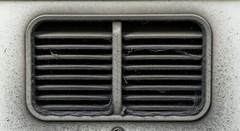
Have you ever wiped down a wall near your furnace register and found your cloth streaked with dark, greasy residue? That grimy stain is more than a cosmetic nuisance. Black soot around heater vents is one of the most common warning signs homeowners overlook, and it can point to anything from an inefficient furnace to a hidden combustion problem. As a trusted restoration company in Milwaukee and its nearby areas, we see this issue frequently once the heating season kicks into high gear.
The good news is that in many cases, the underlying cause is fixable once you understand what is happening. The tricky part is that black residue can have several very different sources, and each one requires a different response. Some are simple maintenance matters, while others involve safety concerns that should not wait. Knowing the difference helps you protect both your home and the people in it.
What Is That Black Residue, Exactly?
Soot is the fine, powdery byproduct of incomplete combustion. When fuel does not burn cleanly and completely, it leaves behind carbon particles that ride along with air currents and settle on cooler surfaces. That is why you often see the darkest marks on walls and ceilings directly around registers, where warm air exits and meets a cooler surface.
Not all dark staining is true combustion soot, though. Some residue is actually a substance called ghosting, which forms when airborne particles from candles, cooking oils, dust, and other sources cling to walls in patterns that mirror the studs and vents behind them. Distinguishing between combustion soot and ghosting matters because one may signal a fuel-burning issue while the other points to indoor air quality and particulate buildup. When you notice black soot around heater vents, the color, texture, and location all offer clues about which problem you are dealing with.
Common Causes of Black Soot Around Heater Vents
Several everyday factors contribute to that stubborn dark ring, and often more than one is at play. Understanding the usual suspects can help you decide whether a quick fix will do or whether it is time to bring in a professional.
- Candles and oil lamps: Scented and low-quality candles release large amounts of fine carbon, which HVAC airflow pulls toward vents and deposits on nearby surfaces.
- Cooking residue: Frying, sauteing, and other high-heat cooking send greasy particles into the air that eventually collect around registers.
- A malfunctioning furnace: A burner that is not firing cleanly can push actual combustion soot through the ductwork and out the vents.
- Fireplaces and wood stoves: Backdrafting or poor ventilation allows smoke particles to circulate through the home.
- Dirty filters and ducts: Neglected filters let more particulate through, and buildup inside the ducts can shed onto vent covers.
When the residue is oily, dense, and concentrated tightly around a gas furnace register, that combination raises the possibility of a combustion problem rather than simple household particulate. That distinction is important, because a furnace producing soot may also be producing carbon monoxide.
When Black Soot Signals a Safety Concern
Here is the part that deserves your full attention. A gas or oil furnace should burn with a steady, mostly blue flame and produce almost no visible residue. When you see genuine combustion soot appearing around vents, it can mean the burner is running rich, the heat exchanger is compromised, or ventilation is inadequate. Any of these conditions can allow carbon monoxide, an odorless and colorless gas, to enter your living space.
If you notice sudden or heavy soot near a fuel-burning appliance, especially alongside symptoms like headaches, dizziness, or nausea that improve when you leave the house, treat it as an emergency. Make sure you have working carbon monoxide detectors on every level of your home, and have your heating system inspected by a qualified technician. The presence of black soot around heater vents in this scenario is your home telling you something is wrong with how it is burning fuel.
Even when the cause turns out to be minor, ruling out the dangerous possibilities first is always the right order of operations. It costs little to check and could prevent a serious health event.
How Soot Connects to Fire and Smoke Damage
Soot is not just an air quality problem. It is the same material that coats surfaces after a fire, and it behaves in similar ways. Because soot particles are acidic and extremely fine, they penetrate porous materials, discolor paint, etch glass and metal over time, and leave lingering odors that ordinary cleaning cannot fully remove. Wiping a sooty vent with a household sponge often just smears the residue and drives it deeper into the surface.
Homeowners who have experienced a puffback from a malfunctioning furnace know how quickly soot can coat an entire room. In those situations, professional fire and smoke restoration in Milwaukee and beyond uses specialized cleaning agents, dry-cleaning sponges, and air filtration to lift soot without spreading it. If you are dealing with widespread staining, particularly after any burner failure, this is where expert help pays off. Our team provides fire damage restoration in Milwaukee, WI to homeowners across Milwaukee, Racine, and the surrounding areas, addressing both visible soot and the deeper residue that ordinary cleaning leaves behind.
What You Can Do Now
Before assuming the worst, there are several practical steps you can take to reduce residue and identify the source. Start by changing your furnace filter on schedule and switching to a higher-quality filter if you have been using the cheapest option. Cut back on burning candles indoors, or choose cleaner-burning alternatives, and improve ventilation while cooking. Have your heating system professionally serviced before each heating season so a technician can confirm the burner is firing correctly.
If the staining keeps returning despite these measures, or if it appears heavy and greasy around a gas appliance, do not keep repainting over it. That approach only masks the problem while a potential safety or air quality issue continues. Persistent black soot around heater vents almost always has a specific cause that is worth diagnosing rather than covering up.
For soot that has already stained walls, ceilings, or trim, professional cleaning restores surfaces properly and neutralizes odors. In cases where residue has settled deep into carpet and upholstery, our carpet cleaning services in Milwaukee and throughout the region can help lift fine particulate that vacuuming leaves behind.
Bringing It All Together
That dark ring near your registers is your home communicating with you. Sometimes the message is simply that you burn too many candles or need a fresh filter, and sometimes it is a signal that your furnace needs attention before it becomes a hazard. The safest approach is to identify the source rather than paint over it, verify that your fuel-burning appliances are operating cleanly, and address both the cause and the residue it leaves behind.
When soot damage is extensive or tied to a furnace event, professional restoration protects your home's surfaces, air quality, and value. RestoreMore serves homeowners throughout Racine, Milwaukee, and neighboring communities, and if your project grows into repairs or upgrades, we also handle everything from smoke remediation to home additions and renovations in West Allis and its neighboring communities. Whenever you find black residue that will not stay gone, reach out for a professional assessment and get the answers your home is trying to give you.