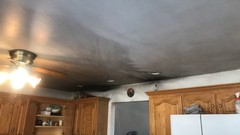
The moments after a fire are often a blur of relief, worry, and confusion. Once everyone is safe and the flames are out, homeowners are left staring at soot-stained walls, water-soaked floors, and belongings that carry the smell of smoke. Understanding fire restoration procedures ahead of time can turn that overwhelming situation into a manageable process with a clear path forward. When you know what to expect, every decision becomes easier.
At RestoreMore Inc, we have guided countless families and business owners through recovery after fire and smoke damage. Whether you need a full rebuild or focused cleanup, our damage restoration services in Milwaukee and beyond are built around proven methods that protect both your property and your peace of mind. Below, we walk through the process step by step so you understand how professionals bring a damaged home back to life.
Why Fire Damage Is More Complicated Than It Looks
Fire rarely causes just one type of damage. The flames themselves char and consume materials, but the aftermath is where things get complex. Smoke travels into wall cavities, ductwork, and porous surfaces, leaving behind odors and residues that worsen over time. Soot is acidic and can corrode metal, etch glass, and discolor paint within hours. On top of that, the water and chemicals used to extinguish the fire introduce moisture that can lead to mold if it is not addressed quickly.
This is why fire restoration procedures are designed to treat several problems at once. A thorough response accounts for heat damage, smoke penetration, soot residue, and secondary water intrusion. Rushing through any single part of the process, or skipping steps, often leaves lingering odors and hidden structural issues that surface later. A methodical approach is what separates a genuine restoration from a surface-level cleanup.
Step One: Emergency Contact and Rapid Assessment
The process begins the moment you reach out. Fast response matters because soot and moisture continue causing damage long after the fire is out. When our team arrives, the first priority is a detailed assessment. We inspect the structure for safety, identify the extent of fire, smoke, and water damage, and determine which materials can be salvaged and which must be replaced.
This early evaluation shapes the entire recovery plan. We document everything carefully, which helps both with the restoration itself and with your insurance claim. A clear, honest assessment at this stage prevents surprises later and gives you a realistic picture of timelines and scope.
Step Two: Securing the Property and Water Removal
Before cleanup can begin, the property has to be stabilized. Fires often leave broken windows, damaged roofs, and openings that expose the interior to weather, animals, and theft. Board-up and tarping services protect what remains and prevent further loss during the restoration period.
Because firefighting almost always involves water, moisture control is an immediate concern. Standing water is extracted, and industrial air movers and dehumidifiers are set up to dry out the structure. Addressing water quickly is critical, since damp materials invite mold growth within a day or two. If you want to understand this side of recovery more deeply, our team also handles 24-hour water damage restoration as part of a coordinated fire response.
Step Three: Soot and Smoke Removal
With the property secured and dried, attention turns to soot and smoke residue. This is one of the most technical parts of fire restoration procedures because different materials burn differently and leave different residues. A grease fire in the kitchen produces a sticky film, while burning wood or paper leaves a dry, powdery soot. Each type requires a specific cleaning method and cleaning agent.
Professionals clean walls, ceilings, fixtures, and contents using specialized products and equipment rather than household cleaners, which can smear residue deeper into surfaces. Soft contents like upholstery, clothing, and drapery often need specialized treatment as well. Throughout this phase, careful attention keeps salvageable belongings from being lost to improper handling.
Step Four: Odor Elimination
Even after visible soot is gone, the smell of smoke can linger for months if it is not properly addressed. Odor molecules settle into carpets, insulation, wood, and drywall, and simply airing out the home rarely solves the problem. This is where advanced fire restoration procedures make a noticeable difference.
Technicians use methods such as thermal fogging, ozone treatment, and hydroxyl generators to neutralize odors at the molecular level rather than masking them. Ductwork and HVAC systems are cleaned to keep smoke particles from recirculating. Effective deodorization is often the step that truly makes a home feel livable again, and it requires both the right equipment and the experience to know which approach fits the situation.
Step Five: Cleaning, Restoration, and Rebuilding
Once surfaces are clean and odors are neutralized, the focus shifts to bringing the property back to its pre-fire condition. This can range from minor repairs, such as repainting and replacing drywall, to major reconstruction of rooms that were heavily damaged. Flooring, cabinetry, trim, and finishes are restored or rebuilt to match the rest of the home.
For larger projects, coordinated reconstruction keeps everything on one timeline and under one point of contact, which reduces stress and delays. Many homeowners take this opportunity to update spaces during the rebuild, and our home renovation contractors can handle those improvements alongside the restoration work. The goal is always the same: a finished result that looks and feels like the fire never happened.
How Long Does Fire Restoration Take?
One of the most common questions we hear is how long the whole process takes. The honest answer is that it depends on the severity of the damage. A small, contained fire with mostly smoke and soot cleanup might be resolved in a week or two, while a home with significant structural damage can take several months to fully rebuild. The key factors are the size of the affected area, the extent of water damage, and how quickly work begins.
To keep expectations clear, here is a simplified view of how the stages typically progress:
- Emergency response and assessment within hours of your call
- Property stabilization and water extraction in the first days
- Soot, smoke, and odor treatment over the following days to weeks
- Repairs and reconstruction, which vary based on the scope of damage
Trust Local Experts With Your Recovery
Recovering from a fire is never something you should have to face alone, and the right team makes all the difference. Well-executed fire restoration procedures protect your investment, safeguard your family's health, and shorten the road back to normal. From the first emergency call through the final coat of paint, a professional crew handles the technical challenges so you can focus on moving forward.
RestoreMore Inc proudly serves Racine, Milwaukee, and the surrounding communities with restoration expertise you can rely on. If you are dealing with the aftermath of a fire, whether you need soot cleanup, odor removal, or complete reconstruction, our specialists are ready to help. We also provide dedicated fire damage repairs in Milwaukee and support for fire damage restoration in Lake Geneva, WI when disaster strikes nearby.
Do not wait for smoke damage to settle in and worsen. Reach out to our team for a prompt assessment, and let us guide you through every step of restoring your home or business with care, skill, and around-the-clock availability.