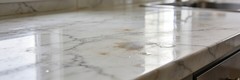
Marble has graced floors, countertops, and vanities for centuries, prized for its elegance and cool, timeless beauty. Yet many homeowners are surprised to learn how vulnerable this natural stone can be when moisture enters the picture. So the question comes up often: does water damage marble, or does it simply leave a surface stain that can be wiped away? The answer matters, because the wrong assumption can turn a small problem into a costly one. If you are dealing with a leak, flood, or lingering moisture, our team offers professional damage restoration services in Milwaukee and the surrounding areas and can help you understand exactly what you are up against.
Understanding how water interacts with marble is the first step toward protecting your investment. Unlike sealed synthetic surfaces, marble is a porous natural material, which means it responds to water in ways that are not always visible at first glance. Let's break down what really happens when marble meets moisture.
The Short Answer: It Can Do Both
When people ask does water damage marble, the honest response is that water can cause both surface staining and deeper structural harm, depending on the type of exposure and how long the moisture lingers. A quick spill that gets wiped up promptly usually leaves nothing behind. But standing water, repeated moisture, or a slow hidden leak is a different story entirely.
Marble is composed largely of calcium carbonate, the same mineral found in limestone. This makes it reactive to acids and susceptible to absorption. Water on its own may only discolor the stone temporarily, but water carrying minerals, dirt, or acidic residues can etch, dull, and permanently alter the surface. The distinction between a stain and true damage comes down to what the water carries and how deeply it penetrates.
How Water Stains Marble
Staining happens when water soaks into the porous stone and deposits whatever it is carrying. A dark, damp-looking patch on marble is often just trapped moisture, and it may lighten as the stone dries. However, when that water contains iron, tannins from leaves or coffee, or other contaminants, the discoloration can set in and become difficult to remove.
There are a few common types of marble stains worth recognizing:
- Water spots and rings, often left by glasses, bottles, or standing puddles that dry with mineral deposits.
- Organic stains from food, drinks, or plant matter, which can leave brownish or pinkish marks.
- Metallic stains caused by iron or rust in the water, sometimes appearing near hardware or pipes.
Many of these can be treated with proper cleaning techniques or poultice methods, but the longer a stain sits, the deeper it settles. Prompt attention almost always improves the outcome.
When Water Truly Damages Marble
Beyond staining, prolonged water exposure can inflict genuine, lasting damage to marble. This is where the answer to does water damage marble becomes a firm yes. When moisture penetrates deeply and remains, it can trigger several problems that go well past cosmetic discoloration.
Etching is one of the most common forms of damage, and it happens when acidic water or acidic substances dissolved in water react with the calcium carbonate. The result is a dull, rough spot that no amount of polishing at home can fully fix. Efflorescence is another issue, where water carries mineral salts to the surface and leaves a white, powdery residue as it evaporates. Over time, repeated moisture cycles can even cause spalling, where the surface begins to flake or pit.
Perhaps most concerning is what happens beneath and around marble. Water that seeps into grout lines, subflooring, or the adhesive holding marble tiles can loosen the installation entirely, leading to lifting, cracking, or hollow-sounding tiles. In these cases the damage extends past the stone itself and into the structure of your home.
The Hidden Danger: Moisture Behind the Marble
One of the biggest mistakes homeowners make is assuming that because marble looks solid, it protects everything underneath it. In reality, water that reaches the substrate can create serious problems that are invisible until they become severe. Trapped moisture behind marble showers or under marble flooring is a prime breeding ground for mold, which threatens both your home and your health.
This is why addressing water intrusion quickly is so important. A minor leak under a marble vanity or behind a marble shower wall can quietly cause weeks of damage before anyone notices. If you suspect moisture has gotten into these areas, professional Milwaukee-based water damage restoration can identify the extent of the problem using moisture meters and thermal imaging, rather than relying on what is visible on the surface. When moisture lingers, our specialists in mold remediation in Milwaukee can also step in to prevent a bigger health hazard from developing.
Protecting Marble From Water Damage
The good news is that marble can be protected and preserved with the right care. Sealing is your first line of defense, as a quality penetrating sealer reduces the stone's absorbency and buys you valuable time to clean up spills before they soak in. Most marble benefits from resealing periodically, though the exact schedule depends on the type of stone and how heavily the surface is used.
Beyond sealing, everyday habits make a real difference. Wipe up spills right away, especially acidic liquids like wine, citrus juice, coffee, and vinegar. Use coasters and trivets, avoid harsh or acidic cleaners, and place mats near sinks and entryways to catch water before it pools on marble floors. When you do clean marble, stick to pH-neutral products designed for natural stone rather than general household cleaners that can etch the surface.
If a larger water event occurs, whether from a burst pipe, appliance failure, or flooding, time is your enemy. The faster the water is removed and the area is dried, the better your chances of saving both the marble and the materials around it. Homeowners throughout the region, from Racine to Milwaukee and the surrounding areas, count on rapid response to keep minor incidents from becoming major restoration projects.
When to Call the Professionals
Some marble stains respond well to careful home treatment, but etching, structural loosening, efflorescence, and any sign of moisture behind the stone call for expert help. Trying to aggressively scrub or use the wrong products can make etching worse and strip away the finish. A restoration professional can assess whether the issue is a treatable stain or deeper damage, and then recommend the safest path forward.
So, does water damage marble? It absolutely can, but with prompt action and proper care, much of that damage is preventable and often repairable. Whether you are facing a stubborn stain, a hidden leak, or a full-scale flood, our experienced team is ready to help protect your home and its finishes. We proudly serve homeowners across the region, including those who need water damage restoration in Kenosha, WI.
If you have noticed discoloration, dampness, or damage to your marble surfaces, do not wait for the problem to worsen. Connect with RestoreMore Inc for a professional evaluation, and let our team help you determine whether you are dealing with a simple stain or something that needs immediate attention. A quick call today can save you a much bigger headache down the road.