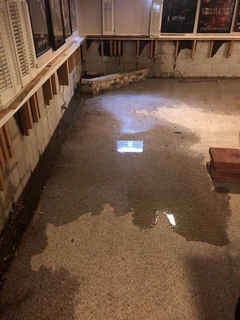
Flooding can strike unexpectedly, causing devastating damage to commercial properties. As a business owner, this is a scenario no one wants to imagine. The unpredictability of such events underscores the importance of having commercial building flood insurance. This specialized insurance coverage provides essential protection, safeguarding your assets from potential disasters. For restoration companies in Milwaukee and nearby areas offering comprehensive services, understanding and advocating for the right insurance coverage aligns with their commitment to preserving properties and providing peace of mind to their clients. In this blog, we will delve into what commercial building flood insurance covers and why it is an essential part of any business risk management strategy.
If you're a commercial property owner, you might wonder about the specifics of flood insurance and how it differs from typical property insurance. We will explore the various components of commercial building flood insurance - what it includes, its limitations, and crucial reasons why businesses in flood-prone areas should not overlook it. Alongside professional insights, this post will discuss key coverage elements, relevant legislation, and frequently asked questions.
What Does Commercial Building Flood Insurance Cover?
Commercial building flood insurance provides coverage for damages caused by flooding, which is defined as excess water on land that is usually dry. This insurance is specifically advantageous for businesses located in areas prone to natural flooding disasters. Here’s a breakdown of what this insurance typically covers:
- Building Property Coverage: This includes the foundational structure of the building and its essential components, such as electrical and plumbing systems, HVAC units, and built-in appliances. It's important because replacing these elements can be very costly.
- Contents Coverage: This refers to the coverage of business personal property such as furniture, machinery, and inventory. These items are crucial for daily operations, and their loss could severely impact business functionality.
- Business Interruption Coverage: While not always included in standard plans, this can be added to cover the loss of income a business might suffer while recovering from flood damage.
Flood insurance is tailored to counteract not just physical damages but also financial setbacks from such unforeseen events. As floods can cause significant disruption, having insurance alleviates the burden, ensuring swift recovery and continuity of business operations.
Why It Matters: The Importance of Flood Insurance
Understanding the impact of floods on commercial properties is vital. Floods represent one of the most common natural disasters and can result from various causes such as hurricanes, heavy rains, or melting snow. The impact can be catastrophic, disrupting operations and causing significant financial setbacks without proper insurance coverage. Here’s why commercial building flood insurance is essential:
High-Risk Areas and Climate Change
Properties located in historically high-risk flood zones face enhanced threats, which makes insurance a necessity. However, it's important to note that non-traditional flood areas are also increasingly at risk due to climate change. The unpredictability of weather patterns means that even areas not previously considered high-risk may now experience flooding, further highlighting the importance of comprehensive protection.
Financial Stability and Risk Management
Investing in flood insurance is an integral component of a business's risk management strategy. A single flood event can lead to substantial financial losses from property damage, lost operational time, and unplanned expenses related to recovery efforts. Insurance minimizes these financial burdens, allowing businesses to focus on speedy recovery and continuation of operations.
Moreover, insurers often provide policyholders with resources and support systems to help manage the aftermath of a flood, further easing the recovery process.
Common Misconceptions About Flood Insurance
A prevalent misconception about flood insurance is that it's covered under standard commercial property insurance policies. In reality, flood damage is typically an exclusion, which requires businesses to obtain separate coverage. Another common myth is that only businesses in high-risk flood areas need insurance. However, floods can, and do, occur outside identified high-risk zones, making coverage equally important in moderately or low-risk areas.
Additionally, some business owners believe flood insurance is prohibitively expensive or unnecessary. In market reality, the cost of flood insurance is often offset by the potential savings in case of a flood event, making it a prudent investment.
Choosing the Right Flood Insurance Policy
Selecting an appropriate flood insurance policy involves careful consideration of your business's specific needs, location, and financial budget. Here are steps to help in the selection process:
- Assess Risk Level: Understanding your business's flood risk is a preliminary step in the insurance selection process. Use flood maps and consider local flood history to determine your level of exposure.
- Evaluate Coverage Needs: Consider both building and contents coverage, and assess whether additional business interruption coverage is necessary for your operational needs.
- Compare Policies and Providers: Shop around to compare policies and premiums. Different providers may offer varying benefits, coverage limits, and premium costs.
- Consult Professionals: Engage with insurance agents who specialize in commercial flood insurance for expert advice. Restoration companies with extensive industry experience, like those offering water damage restoration in Milwaukee, WI, can provide valuable insights into selecting the right coverage.
The Process of Filing a Flood Insurance Claim
In the unfortunate event of a flood, it’s important to understand the claims process to ensure expedited recovery:
- Document Damages: Take photographs or videos of the damage before beginning any cleanup or repairs.
- Contact Your Insurer: Report the loss to your insurance provider as soon as possible to start the claims process.
- Work with Adjusters: Cooperate with the insurance adjuster during the assessment and valuation of damages.
Having clear documentation and maintaining open communication with the insurance provider will facilitate a faster and smoother claims process, allowing businesses to return to regular operations promptly.
Moving Forward with Confidence
In the dynamic business environment of places like Milwaukee and beyond, understanding the importance of commercial building flood insurance is crucial for safeguarding your business. The unpredictable nature of flooding, aggravated by climate shifts, calls for businesses to take precautionary measures through adequate insurance coverage.
Whether dealing with water damage restoration in Racine or flood prevention planning, proactive steps in building resilience against possible flood impacts not only protect physical assets but also ensure ongoing financial stability and business continuity.
For businesses managing these concerns, staying informed and having the right insurance strategy and restoration service in place can make all the difference. Trusting professionals like RestoreMore, with their extensive expertise, can provide necessary support when needed. Whether you’re assessing potential risks or recovering from damage, the importance of reliable coverage and expert intervention cannot be overstated. Prepare effectively, and face potential challenges with the assurance that your business is well-protected against the uncertainties of flooding. Contact us today!