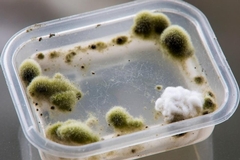
Mold is a common household nuisance, but many are surprised to learn it can infest more than just organic materials. This begs the question: can mold grow on plastic? While it may seem unlikely, given plastic's non-porous nature, mold can indeed find a way. This is particularly important for residents and businesses considering property damage restoration services in Milwaukee and its nearby locales. Understanding the potential mold-related risks and taking proactive measures is essential for maintaining a healthy environment.
Before delving into the intricacies of mold growth on plastic, it's important to clarify why this topic is crucial. Mold not only causes unsightly stains and unpleasant odors, but it also poses health risks, exacerbating allergies and respiratory issues. In this blog post, we will uncover five critical aspects of mold growth on plastic, providing vital information to help you safeguard your property.
The Nature of Mold: Why it Can Grow on Plastic
Mold thrives in environments where moisture, warmth, and organic matter are present. While plastic itself is not an organic material, mold can still grow on it under certain conditions. Mold spores are ubiquitous and can settle on almost any surface, awaiting optimal conditions to reproduce. When plastic items become damp, whether due to humidity or water exposure, they create a suitable environment for mold to take hold.
Sometimes, mold growth on plastic occurs when there is organic debris, like dust or food particles, on the surface. This debris can supply the nutrients needed for mold to thrive. Therefore, maintaining cleanliness and dryness is key to preventing mold presence on these surfaces. Learning how to properly store plastic items can save you unnecessary headaches down the line.
How to Recognize Mold Growth on Plastic
Identifying mold on plastic can be tricky since it might not always be visible. Mold can manifest in various colors, such as black, green, or white, and might present as spots or patches. Since plastic doesn't provide nutrients on its own, mold on these surfaces might be somewhat isolated, typically at corners or spots where moisture or debris accumulates.
Regularly inspecting areas prone to dampness, such as bathrooms and kitchens, can help you catch mold early. Look for any discoloration or texture changes on your plastic items. In some cases, a musty smell might indicate hidden mold growth. When in doubt, it's recommended to consult a professional for an accurate assessment.
Preventing Mold Growth on Plastic
Luckily, prevention plays a significant role in avoiding mold growth on plastic surfaces. With simple techniques and a bit of diligence, a mold-free environment is within reach. Consider these preventative measures:
- Control Humidity Levels: Mold thrives in humid environments. Use dehumidifiers and ventilation systems to reduce moisture levels in your home or workspace.
- Regular Cleaning: Clean plastic surfaces with mild soap and water to remove any debris or potential mold spores. This simple routine can make a substantial difference.
- Proper Storage: When storing plastic items, ensure they are completely dry. Use airtight containers to prevent moisture accumulation.
- Quick Repairs: Address any water leaks or plumbing issues promptly to prevent mold-friendly conditions.
Ensuring these practices are consistently followed can significantly reduce the risk of mold formation, while also maintaining the integrity and appearance of your plastic items.
Why Mold on Plastic Matters
Though mold growing on plastic might seem less hazardous than mold on wood or drywall, it poses significant concerns. When left unchecked, it can affect air quality and lead to health issues such as coughing, sneezing, or, in severe cases, asthma attacks. For this reason, immediate intervention is crucial, whether through DIY solutions or professional water damage restoration in Milwaukee and nearby areas.
Mold's impact extends beyond health hazards. Consider the aesthetic damage it can cause to plastic items, which might need replacing if mold becomes pervasive. A quick response can mitigate these costs, prolonging the lifespan of your belongings and improving overall air quality.
Choosing Professional Help and Services
In cases where mold has become a more serious problem, seeking professional mold remediation services is advisable. Professionals conduct thorough inspections to identify mold presence, even in hidden areas. Utilizing advanced equipment, they ensure mold is safely and completely removed from both plastic and other surfaces. RestoreMore excels in mold remediation, providing reliable service and peace of mind in Milwaukee, WI.
If you're located in nearby areas where the climate is welcoming to mold growth, the professional services provided by RestoreMore are readily available for water damage restoration in New Berlin and other related needs.
Keep Mold at Bay
Maintaining a mold-free environment is essential for your property's value and for the health of everyone within it. Being vigilant and proactive about potential problem areas can save you from expensive and strenuous restoration efforts. Whether you're in Milwaukee or another part of Wisconsin, the importance of understanding mold-related risks and solutions cannot be understated.
Mold growth on plastic, albeit rare, is a reality that can be effectively managed with the right knowledge and practices. For those facing mold challenges, consider reaching out to RestoreMore. Their expert services ensure a safer, cleaner living or working space, offering peace of mind that only quality professionals can provide.