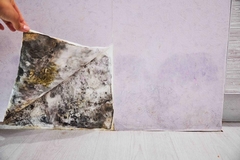
Did you know that insulation can sometimes become a breeding ground for mold? Can mold grow on insulation? This question may not be top of mind when considering home or business maintenance, but understanding the risks associated with insulation and mold is essential to safeguarding your investment.
For a restoration company in Milwaukee, knowing the ins and outs of mold growth is crucial, especially when it comes to insulation. Mold can grow anywhere there's moisture and organic material, and unfortunately, that includes your insulation. Insulation provides the perfect close-knit environment for mold to thrive, especially if moisture finds its way in. In this post, you'll discover the common risks, signs, and solutions for preventing mold on insulation, empowering you to take proactive measures before it becomes a costly headache.
Understanding How Mold Grows on Insulation
Before diving into the specific risks, it's essential to understand the conditions conducive to mold growth. Mold is a type of fungus that thrives in damp, warm environments, and it can spread rapidly once it finds a suitable location to grow. So, can mold grow on insulation? Yes, it can—and with alarming efficiency. Insulation materials like fiberglass, cellulose, and foam are great at trapping air, which keeps your home warm but also holds humidity if there's a moisture intrusion.
Conditions Favorable for Mold Growth
- Moisture Intrusion: Moisture is the most vital component for mold growth. It can come from various sources like roof leaks, pipe bursts, or high humidity levels in attics and basements.
- Temperature: Mold thrives between 60-80°F, conditions typically found in attics and crawl spaces.
- Time: Mold can begin to grow in as little as 24 to 48 hours. Quick action is paramount in preventing its spread.
Common Types of Insulation and Mold Susceptibility
- Fiberglass Insulation: This type is less prone to mold compared to other insulation types, but if it gets wet, its paper backing can become mold's new home.
- Cellulose Insulation: Made from recycled paper, cellulose provides ample organic material for mold to thrive if it gets damp.
- Foam Insulation: While more resistant to mold, foam insulation isn't immune if moisture is allowed to persist.
Identifying Mold on Insulation: Signs and Symptoms
Recognizing the early signs of mold growth can help you mitigate the problem before it spirals out of control. Here’s what to look for:
- Discoloration and Stains: A tell-tale sign of mold is the appearance of dark spots and stains on your insulation.
- Musty Odor: Mold often gives off a distinct, musty smell. If you detect it in attics or crawl spaces, it's time to inspect.
- Health Symptoms: If building occupants experience unexplained allergies, respiratory issues, or headaches, mold might be the culprit.
Risks of Mold Growth on Insulation
Allowing mold to fester in your insulation poses several significant risks, including:
- Structural Damage: Mold can deteriorate the materials that make up your home's structure, as well as the insulation itself, reducing its efficiency.
- Health Hazards: Exposure to mold can provoke allergic reactions and respiratory issues, especially in sensitive individuals.
- Decreased Property Value: Mold issues can lead to reduced property values, should you decide to sell your home. Future buyers may demand mold remediation services before proceeding.
Prevention and Mold Remediation Strategies
Preventing mold before it starts is the best approach, but if you already see signs of mold growth, steps should be taken immediately.
Prevention Tips
- Ensure Proper Ventilation: Use ventilating fans in bathrooms, kitchens, and attics to reduce humidity levels.
- Maintain HVAC Systems: Regularly service HVAC systems to prevent condensation and ensure they are draining correctly.
- Control Humidity Levels: Use dehumidifiers in basements and other moisture-prone areas to keep humidity below 60%.
Remediation Strategies
If you've already discovered mold, mold remediation in Milwaukee and its surrounding areas offers various solutions to eradicate mold effectively:
- Professional Assessment: Have a professional evaluate the extent of the mold growth. An expert can assess the damage and determine the best course of action.
- Remove and Replace: In severe cases, it may be necessary to remove and replace affected insulation.
- Chemical Treatments: Antimicrobial treatments can destroy existing mold and prevent new growth.
Choose RestoreMore for Your Mold Concerns
Whether you suspect mold in your insulation or want professional advice on preventing mold growth, RestoreMore is a trusted resource in the restoration industry. Their expertise in mold remediation and related services, such as fire damage restoration and commercial carpet cleaning, ensures that your property maintains its health and value.
In addition to serving Milwaukee residents, RestoreMore extends its services to neighboring cities. If you're concerned about mold growth or require fire damage restoration in Racine and beyond, their comprehensive services are available across the region.
It's never too early or too late to fight mold. For further assistance and to schedule a comprehensive inspection, contact RestoreMore. With their professional expertise, your home's insulation will remain mold-free, ensuring a safe and comfortable environment for everyone.
When it comes to professional care and effective mold management, contact RestoreMore and trust us to make your home a safer place.