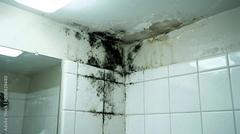
Bathrooms are one of the most water-heavy rooms in any home, so it is no surprise they are also where hidden moisture problems tend to start. A slow leak behind the tile or a poorly sealed tub can quietly soak drywall for weeks before you ever notice a stain. By the time most homeowners start asking how to repair bathroom wall water damage? the problem has often traveled further than they realize. The good news is that catching it early makes the difference between a minor patch and a major renovation, and as trusted restoration contractors in Milwaukee, WI, we want to help you act before small issues become expensive ones.
This guide walks through what causes bathroom wall water damage, how to recognize the warning signs, and the practical steps involved in a proper repair. Whether you handle a small area yourself or bring in professionals, understanding the process helps you make smarter decisions and protect your home from mold and structural harm.
Why Bathroom Walls Are So Vulnerable to Water
Every shower, bath, and sink cycle sends moisture into the air and along surfaces that are supposed to keep it out. Grout lines crack, caulk shrinks, and pipes inside the wall can develop pinhole leaks that release water slowly and invisibly. Because bathrooms often have limited ventilation, that trapped humidity has nowhere to go, and it settles into drywall, baseboards, and framing.
Older homes throughout Racine and the greater Milwaukee area are especially prone to this because original plumbing and sealing materials degrade over decades. Even newer construction can suffer if a fixture was installed incorrectly or if a bathroom fan is undersized for the space. Once water finds its way behind the wall surface, it creates the damp, dark environment mold needs to thrive, which is why addressing the source matters just as much as fixing the visible damage.
Spotting the Warning Signs Early
Water damage rarely announces itself all at once. Instead, it leaves clues that are easy to overlook until they become obvious. Discolored patches, bubbling paint, and soft or spongy drywall are among the most common indicators that moisture has been building up behind the surface.
Pay attention to these signals so you can respond before the damage spreads:
- Yellow, brown, or dark staining on walls or ceilings near the tub, shower, or sink
- Peeling, cracking, or bubbling paint and wallpaper
- A persistent musty odor even after cleaning
- Soft, warped, or crumbling drywall when you press on it
- Loose tile, deteriorating grout, or gaps in caulk lines
If you notice one or more of these, treat it as an early warning rather than a cosmetic annoyance. The sooner you investigate, the smaller the repair is likely to be. Ignoring the signs often means the question shifts from how to repair bathroom wall water damage? to how to rebuild an entire section of wall and floor.
Stop the Source Before You Repair Anything
The single most important step is finding and stopping whatever is letting water in. Patching a stained wall while a leak continues behind it simply hides the problem until it returns, usually worse than before. Start by inspecting the obvious culprits: worn caulk around the tub, cracked grout in the shower, and connections under the sink.
If the moisture is coming from inside the wall, the issue may be a supply line, drain, or fitting that needs a plumber's attention. Shutting off the water to the affected fixture can prevent further saturation while you assess the situation. Only after the source is fully resolved does it make sense to move on to drying and rebuilding. This is also the point where many homeowners realize the damage is more extensive than expected, and professional water damage restoration in Milwaukee and beyond becomes the safer path.
The Repair Process Step by Step
Once the leak is stopped, the affected materials need to dry completely before any rebuilding begins. Trapped moisture is what fuels mold growth and structural rot, so thorough drying is not optional. Professionals use moisture meters, air movers, and dehumidifiers to remove water you cannot see, but for a small surface area you can start by improving ventilation and running a fan.
When you are ready to repair bathroom wall water damage? the general sequence looks like this. First, remove any drywall, insulation, or trim that is soft, crumbling, or discolored beyond cleaning. Second, confirm the framing behind it is dry and structurally sound, replacing wood that is rotted. Third, treat the area to discourage mold before it is closed up. Fourth, install fresh, moisture-resistant drywall designed for wet areas, then tape, mud, sand, and prime it. Finally, repaint or retile using proper waterproofing and sealing so the same failure does not repeat.
Each stage matters. Skipping the drying step or reusing damaged material may save time now but almost guarantees a callback later. A careful, methodical repair restores both the appearance and the integrity of the wall.
When to Call a Professional
Some cosmetic damage, like a small stained patch from a one-time splash, is well within the reach of a confident do-it-yourselfer. Larger problems are a different story. If the affected area is bigger than a couple of square feet, if you smell mold, or if the water came from a leak of unknown origin, bringing in specialists protects your health and your investment.
Professionals can detect hidden moisture, address contamination safely, and rebuild to code. If mold has already taken hold, coordinated mold removal and remediation in Milwaukee and its nearby areas ensures spores are contained rather than spread throughout the home. Extensive damage may also call for larger renovation work, and having a single team manage both restoration and rebuilding keeps the project consistent from start to finish. Homeowners weighing whether to tackle a repair themselves should honestly consider the scope, because underestimating water damage is one of the most common and costly mistakes.
Protecting Your Bathroom Going Forward
Prevention is far cheaper than repair. Reseal caulk and grout at the first sign of wear, run your exhaust fan during and after every shower, and check under sinks periodically for drips. Wiping down surfaces and keeping humidity in check goes a long way toward extending the life of your walls and fixtures. Small maintenance habits are what keep you from ever needing to ask how to repair bathroom wall water damage? in the first place.
When damage does happen, acting quickly is everything. Stop the source, dry thoroughly, and rebuild with moisture-resistant materials, or call in a team that handles the entire process for you. RestoreMore Inc proudly serves homeowners across Racine, Milwaukee, and the surrounding areas, including dependable water damage restoration in Oak Creek, WI, with the tools and experience to stop damage before it spreads.
If you have spotted a stain, a soft spot, or that unmistakable musty smell, do not wait for it to get worse. Reach out for a free assessment and let our team help you protect your home. Fast action today can save you a much larger repair tomorrow.