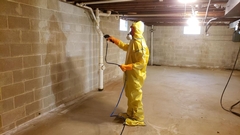
Mold can be a silent intruder that invades homes and compromises both health and property. The mold abatement process is designed to address and mitigate these issues effectively, ensuring a safe and healthy environment. Whether you're dealing with a minor mold problem or a significant infestation, knowing how the mold abatement process works can be invaluable. Today, we’re diving deep into this process to help residents make informed decisions when seeking damage restoration services in Milwaukee and its nearby areas.
Mold is not just an aesthetic issue; it poses genuine health risks and can damage structures if left untreated. With Milwaukee’s varying climate, homes are particularly susceptible to mold growth, which necessitates timely and professional intervention. RestoreMore offers a spectrum of damage restoration services, ensuring that problems like mold are tackled head-on, mitigating long-term impacts. This guide seeks to elucidate the mold abatement process and provide property owners with a thorough understanding of each stage.
Why is Mold Abatement Necessary?
Mold thrives in damp and poorly ventilated areas, which are conditions that homes in climates like Milwaukee often encounter. Beyond its unsightly appearance, mold can lead to severe health problems such as allergies, respiratory issues, and other adverse effects, particularly for those with compromised immune systems. Structurally, too, mold can eat away at materials like wood and drywall, resulting in expensive repairs if not addressed promptly.
Beyond addressing immediate concerns, professionals like RestoreMore ensure that mold doesn't return. Employing the services of specialists offers security in knowing your home is in capable hands, using techniques honed by years of experience in the restoration industry. The mold abatement process is not just about removal; it encompasses inspection, containment, removal, and prevention.
Steps Involved in the Mold Abatement Process
1. Initial Inspection and Mold Assessment
The process begins with a thorough inspection to assess the extent of mold growth and determine the underlying causes. This step is crucial because it identifies the mold type and the moisture source feeding it. Professionals employ advanced tools and techniques to detect moisture levels and surface samples to decide on the most effective treatment strategy.
2. Containment
Once the assessment is complete, containing the affected area is critical to prevent mold spores from spreading to uncontaminated parts of the property. This is achieved by using physical barriers and negative air pressure techniques. Specialized equipment ensures that this containment is effective, maintaining the integrity of non-affected areas.
3. Air Filtration
High-efficiency air scrubbers and HEPA vacuums are used to clean the air of mold spores. Air filtration is an essential part of the mold abatement process, as it significantly reduces airborne contamination, aiding in health restoration for occupants.
4. Mold Removal
Actual removal of mold and mold-infested materials follows. The approach depends on the severity and extent of the mold growth. Professionals use specialized cleaning equipment and EPA-approved solutions to effectively and safely remove mold. In some cases, materials like drywall and carpeting may need to be discarded to prevent further contamination.
5. Cleaning and Sanitizing
The area is then cleaned thoroughly, and all surfaces are sanitized. This process helps remove mold products, remaining spores, and reduces the chances of re-infestation. It's an essential step to restore hygiene to the affected area and ensure a healthy environment.
6. Restoration
Finally, the property must be restored to its pre-damage state. Restoration may include minor repairs, such as replacing drywall and repainting, or larger reconstruction efforts. This step ensures the area is safe for reoccupation and aesthetically up to par. Companies like RestoreMore also offer services such as commercial remodeling & renovations in Milwaukee and its nearby areas, which can prove beneficial in extensive restoration efforts.
Mold Prevention Tips
Preventing mold is crucial to maintaining a healthy environment. While the mold abatement process mitigates current infestations, preventing future growth is equally important. Here’s a compact list of preventive steps:
- Control Humidity: Use dehumidifiers and air conditioners during damp months to keep indoor humidity levels below 60%.
- Fix Leaks Immediately: Repair any leaks in roofs, windows, and pipes as soon as they are discovered.
- Improve Ventilation: Use exhaust fans in bathrooms, kitchens, and laundry rooms to reduce moisture build-up.
- Conduct Regular Inspections: Look for signs of water damage or mold in vulnerable areas such as basements and bathrooms.
Implementing these practices will significantly reduce the chances of mold growth and save considerable time and expense in the future.
Mitigate Risks with Professional Services
Understanding the mold abatement process can empower homeowners to make informed decisions and take proactive steps in maintaining a healthy living environment. Whether you're tackling mold issues on your properties or just interested in potential preventive measures, engaging with experienced service providers can be invaluable.
RestoreMore stands ready to assist with all restoration needs, offering diverse services such as mold remediation in West Allis, ensuring that your home is not just restored but also fortified against future threats. Whether you require immediate remediation or are planning construction equipment rental & setup for remodeling projects, engaging with professionals ensures your property remains in peak condition.
Reach out today to explore various restoration solutions available in your area and take the first step towards safeguarding your home and health.