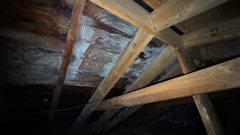
Mold is a pesky invader that can wreak havoc on homes and businesses alike, and yes, mold can certainly grow on wood. This growth can lead to structural damage, health problems, and a need for expensive repairs. Imagine discovering that the cherished wooden floors or furniture in your home are infested with mold. Who would you call for help? Many turn to property damage restoration services in the Milwaukee area to tackle these pervasive problems. This article will explore the intricacies of mold growth on wood, why it happens, and what measures can be taken to prevent it.
Wood, a common material found in most buildings, is particularly vulnerable to mold growth due to its organic composition. The unfortunate truth is that where there is moisture, mold usually follows. Understanding the relationship between wood and mold is crucial for preventing and managing potential outbreaks. This blog will delve into the factors contributing to mold growth, the risks it poses, and practical steps for prevention and remediation.
Why Mold Loves Wood
Wood acts as a conducive surface for mold growth for several reasons. First, it's an organic material, meaning it provides the necessary nutrients that mold spores need to thrive. The fibrous structure of wood also retains moisture, which mold spores require to grow. In environments where wood is exposed to high humidity or leaks, the likelihood of mold colonizing these surfaces increases significantly.
In Milwaukee, WI, the fluctuating climate can often lead to conditions that are ripe for mold. The combination of warm temperatures and humidity often present in the area creates the perfect conditions for mold growth. Buildings that haven't been properly maintained can easily become breeding grounds for mold, infesting the wooden parts of structures and furnishings.
Conditions Favoring Mold Growth on Wood
To better understand how mold can grow on wood, it's essential to recognize the environmental conditions that contribute to its growth. Mold thrives in environments where there is moisture, warmth, and oxygen. Areas like basements, attics, and bathrooms are common mold hotspots due to their propensity for dampness.
Beyond environmental conditions, mold can grow on wood due to poor ventilation, leaks, and recent water damage. A leaking roof or a burst pipe can quickly lead to conditions favorable for mold if not addressed promptly. When wood absorbs water, it can retain it for a considerable amount of time, providing the perfect environment for mold spores to establish themselves.
Identifying Mold on Wood
It's imperative for homeowners and business owners to be vigilant in identifying mold early. One of the easiest ways to detect mold is by sight. Mold often appears in various colors, such as black, green, or white, and can have a fuzzy or slimy texture. Additionally, mold often emits a musty odor that can be an indicator of hidden mold growing beneath the wood surface or in unseen places.
Other signs might include discoloration or spotting on wooden surfaces. If the mold has begun to affect the wood's integrity, you might also notice warping or cracking. In severe cases, the wood might feel soft or crumbly when touched. Regular inspections, especially after incidents of water exposure, can help detect mold growth early before it becomes a significant problem.
Health Implications of Mold on Wood
The presence of mold in a home or business is not just a structural concern but a health one as well. Mold can produce allergens and irritants that have been linked to respiratory problems. Those with asthma, allergies, or weakened immune systems are particularly at risk. Exposure to mold can result in symptoms such as coughing, sneezing, headaches, and skin irritations.
These health effects underscore the importance of addressing mold growth on wood promptly. In Milwaukee, WI, where various allergens and pollutants can already affect air quality, adding mold to the mix can exacerbate these issues.
How to Prevent Mold Growth on Wood
Prevention is always preferable to remediation when it comes to mold. The key is controlling moisture and ensuring good ventilation. Here are a few strategies to consider for preventing mold growth on wood:
Keep Humidity Levels in Check: Mold loves humidity, so it's crucial to keep indoor humidity levels below 60%. Investing in a good dehumidifier can significantly reduce humidity levels indoors, particularly in basements and attics.
Repair Leaks Promptly: Address leaks in roofs, pipes, and other areas as soon as they are detected. Water intrusion can lead to mold infestations if not tackled quickly. Regular maintenance checks can help catch these problems before they lead to mold.
Ensure Proper Ventilation: Kitchens, bathrooms, and any moisture-prone areas of the home should be well ventilated. Using exhaust fans or opening windows can help reduce indoor humidity effectively.
Use Mold-Resistant Products: When renovating or building, consider using mold-resistant products such as treated wood or moisture-resistant drywall. These materials can add an extra layer of protection against mold growth.
These strategies can significantly lower the likelihood of mold making itself at home in your wooden structures.
Professional Mold Remediation
Sometimes, despite your best efforts, mold can still find its way into your home, especially after significant water damage or persistent leaks. When this happens, professional mold remediation services can be a valuable asset. Companies specializing in mold removal have the tools and expertise needed to effectively eliminate mold and prevent it from returning.
Some businesses offer comprehensive Milwaukee-area water damage restoration services, ensuring that mold isn't just treated on the surface but eradicated from its roots. Such services often include advanced drying techniques, mold cleaning, and preventive measures to minimize future risks.
Why Choose RestoreMore in Milwaukee, WI
For those living in the Milwaukee area, RestoreMore offers a comprehensive solution for mold remediation. Our team of experts understands the unique challenges presented by the local climate and are well-equipped to deal with mold issues effectively. We also provide fire damage restoration in Milwaukee, ensuring your property is safe from multiple potential hazards.
In addition to Milwaukee, WI, we extend our services to other cities, such as water damage restoration in Lake Geneva. This geographic availability means that residents across the region can rely on our fast and effective services to deal with mold and related issues.
Mold is not just an unsightly problem; it poses serious risks to homes and health alike. By understanding how mold can grow on wood, homeowners and business owners can take proactive steps to prevent it and maintain a safe living and working environment. For any mold concerns, consider reaching out to professionals like RestoreMore to ensure your property is protected from the adverse effects of mold.